

2026 Summer Institute Participants
-
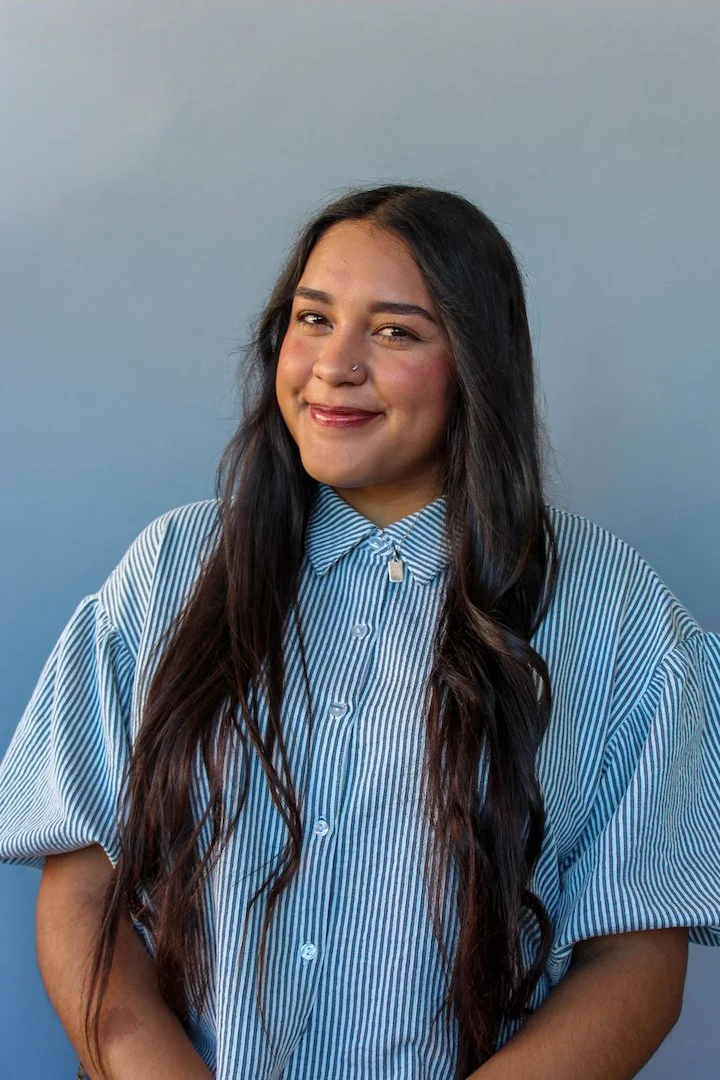
Gabriela Aros
Gabriela Aros (she/her/ella) is a Ph.D. student in the School of Transborder Studies at Arizona State University, where she earned her M.A. She holds a B.A. in both journalism and women and gender studies from the University of Missouri, and her current research focuses on the surveillance and militarization of the U.S.-Mexico borderlands and the ways it has influenced mothering practices. Gabriela looks at the intersections between parenthood, gender, legal status, and transfronterizo/a identity. She connects theories of state power and identity in an in-between borderland space to explore developments in parenthood and gender roles.
-
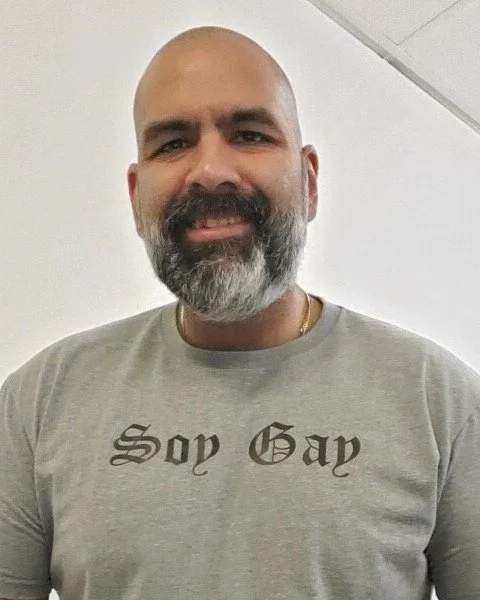
Alfonso Ayala III
Alfonso Ayala III is a proud, queer, sober Chicano doctoral student in the Department of Mexican American and Latina/o Studies at the University of Texas at Austin. He holds an M.A. in Chicana/o Studies from San Jose State University and a M.Ed in Higher Education Leadership from the University of Nevada, Las Vegas. His lived experience in addiction and recovery as a queer Brown man has contributed to a research agenda centered on queer Latino sobriety, desire, and sexuality. Outside of school, he enjoys working out and watching TV. He also loves spending time with his family in San Antonio.
-
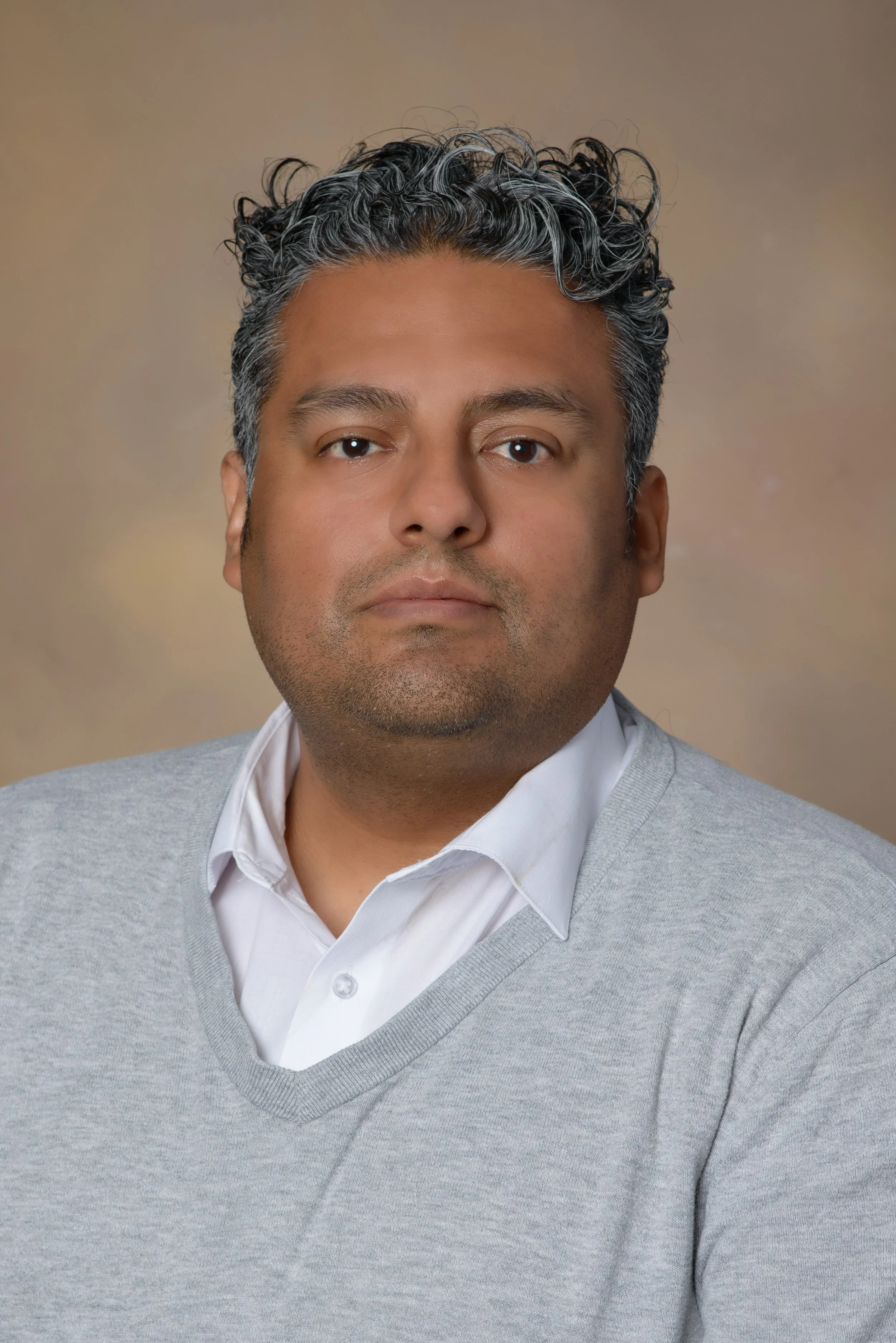
Baltazar Campos
Baltazar Campos is a PhD student in Human Development and Family Science at the University of Arizona. He holds an MPH in Epidemiology from the University of Arizona and a BS in Biology from the University of Illinois Chicago. Raised in Chicago’s Little Village neighborhood in a Mexican immigrant family of Purépecha origin, his work is shaped by questions of memory, care, health, and belonging. Bringing together public health and humanities-informed perspectives, his research examines how early life conditions, structural inequities, and lived experience shape aging and chronic disease among Latino/a/x andIndigenous communities, especially in borderlands and other marginalized spaces.
-
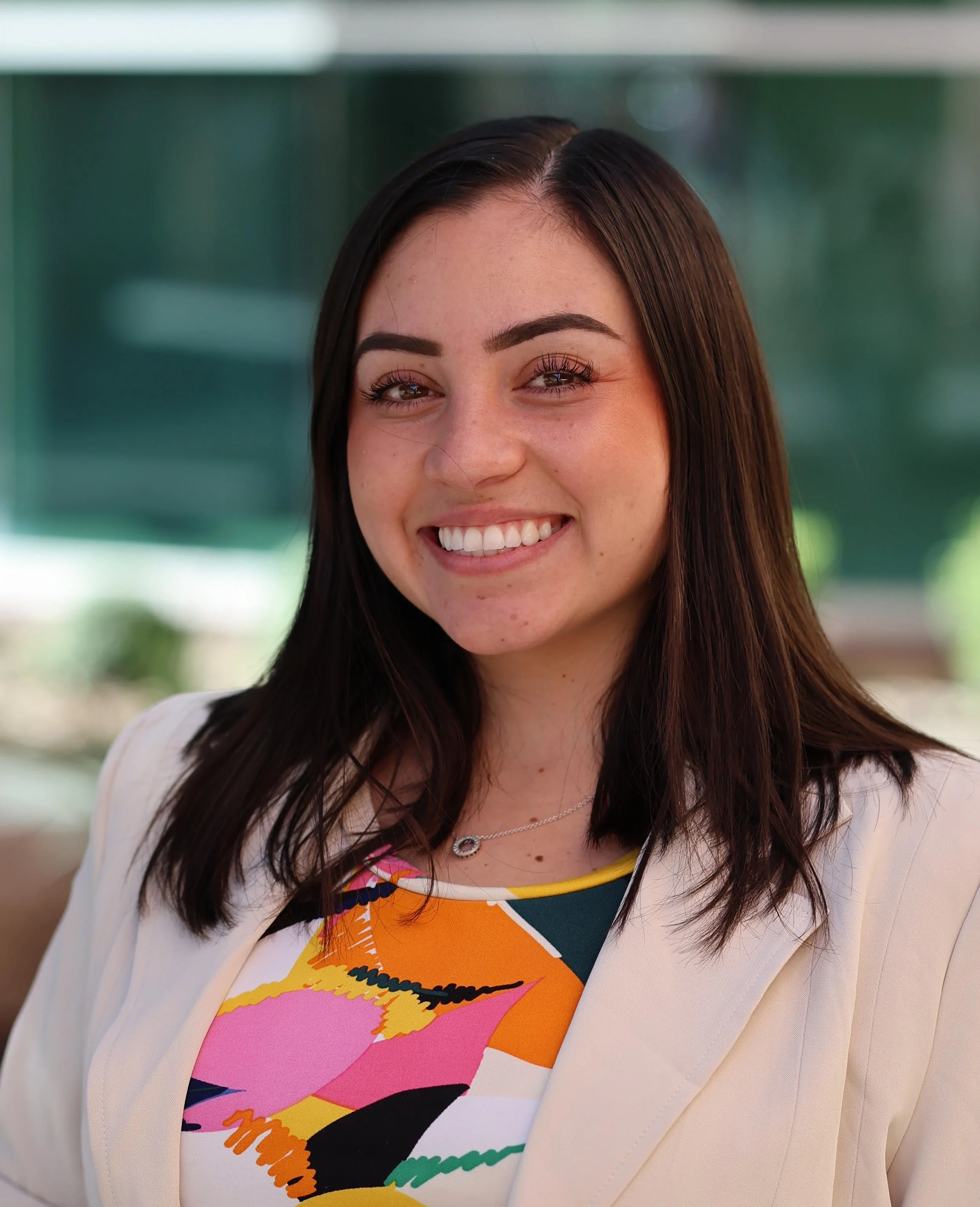
Mónika Pamela Cantú Esparza
Mónika Pamela Cantú Esparza(she/her/ella) is a Ph.D. student in the Educational Leadership and Policy Studies program at The University of Texas at San Antonio (UTSA). Born and raised in Monterrey, México, her transnational upbringing deeply informs her scholarly commitments. Her dissertation examines how violence-driven migration, cross-border identity, and mental well-being shape the educational journeys of Mexican women with dual U.S.-México citizenship in Hispanic-Serving Institutions (HSIs). She is a UCEA Jackson Scholar, TICAS Fellow, and TACHE Graduate Fellowship recipient. Mónika holds a B.A. in Communication and an MBA from The University of Texas Permian Basin and is committed to equity-driven advocacy for Latinx students navigating borders — geographic, institutional, and personal.
-
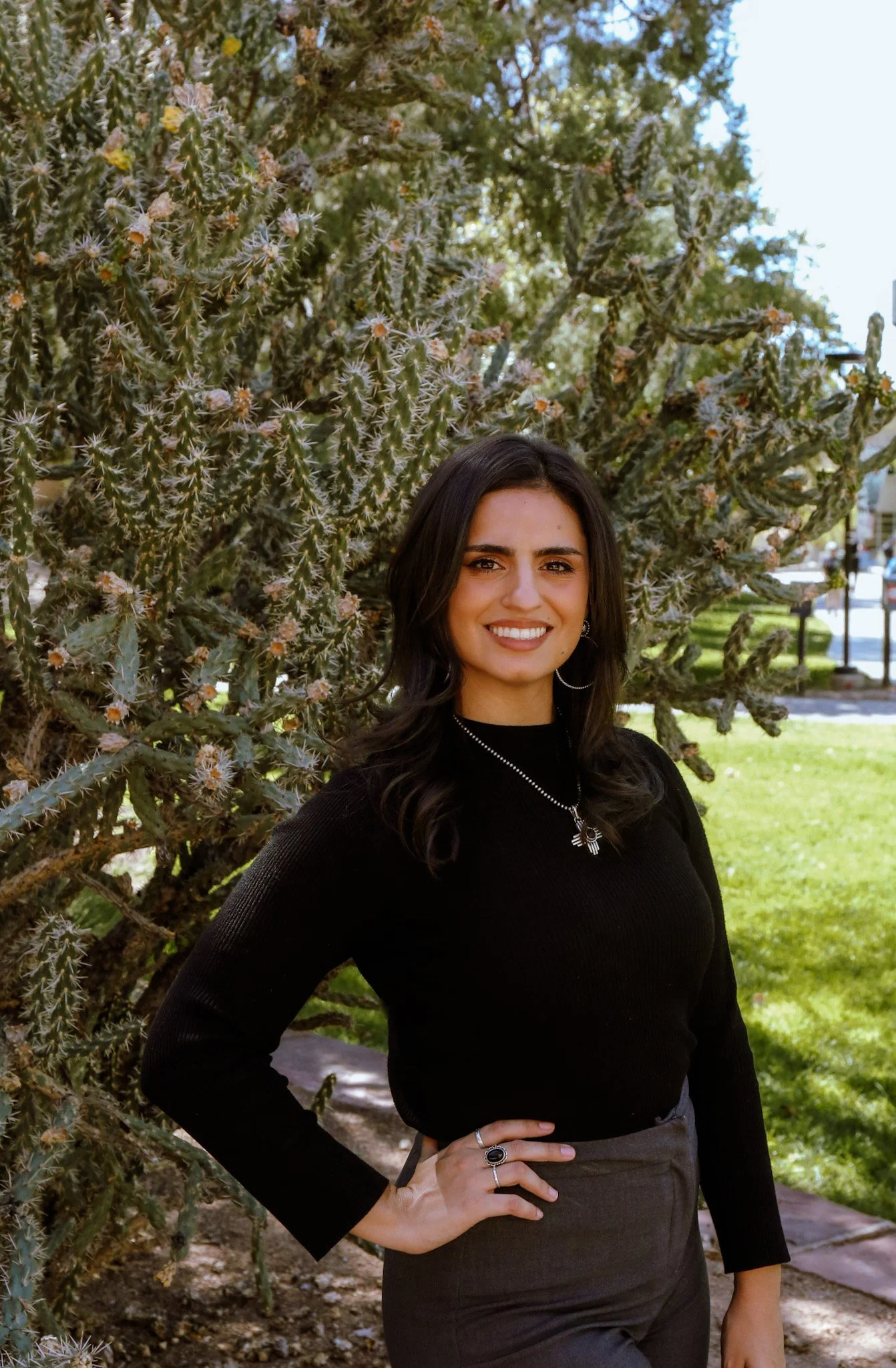
Valerie Chavez
Valerie Chavez is a doctoral student in the Department of Chicana and Chicano Studies at the University of New Mexico. A proud burqueña, born and raised in Albuquerque, New Mexico, her research is deeply rooted in her querencia and Nuevomexicana identity. Her doctoral work centers on archival and oral history documentation of Nuevomexicanas who were active in social movements across New Mexico, with particular emphasis on their roles and contributions to El Movimiento. She has examined the lowrider community in Albuquerque, focusing on how young Nuevomexicanas express identity and culture by embracing chola aesthetics. Across her scholarship, she centers the lived experiences of Nuevomexicanas by documenting their stories of activism, resistance, and comunidad. She incorporates photography into her research practice. Beyond academia, she continues to document lowrider culture. You can find her taking photos of cruises on Central Ave. and across New Mexico.
-
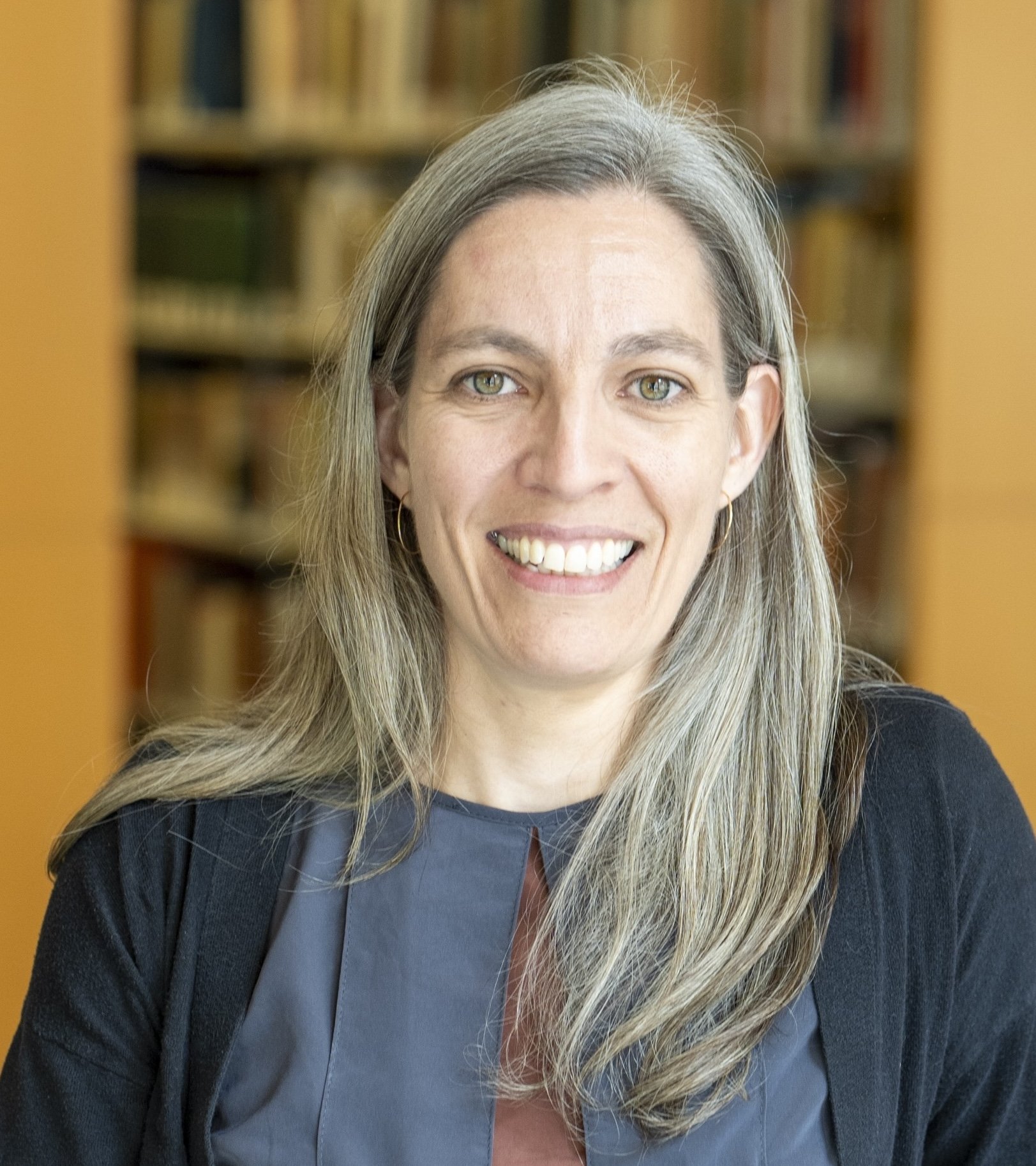
Hope Cullinan
Hope Cullinan is a New York native and a doctoral student in Latin American, Iberian, and Latino Cultures at CUNY Graduate Center. She’s interested in Spanish language in the United States and how local and institutional discourses on history and culture have been used to define Latinx identity. She researches 20th-century community programs for Spanish speakers in New York City and the current relevance of historical modes of language learning that included art making and physical presence, as we consider the role of technology and what constitutes knowledge, and to whom it belongs, in teaching, learning, and preservation in libraries, archives, and museums.
-
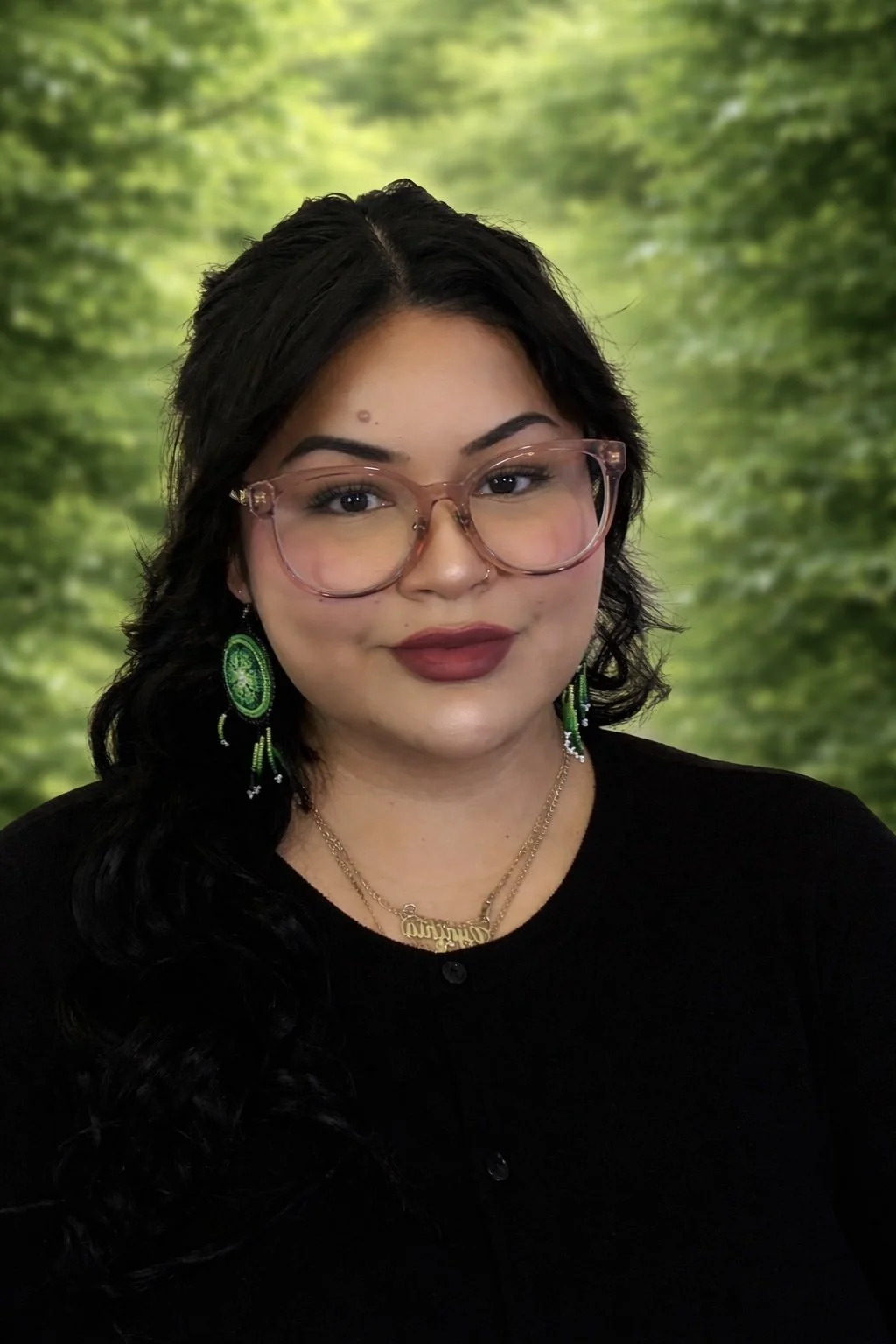
Cynthia De La Rosa
Cynthia De La Rosa (she/her/ella) is a Chicana scholar born in Nayarit, Mexico, and raised in San Diego, California. She is currently a Ph.D. student in the Department of Chicana and Chicano Studies at the University of California, Santa Barbara. She earned a B.A. in Criminology and Justice Studies with a minor in Sociology and an M.A. in Sociological Practice (2021) from California State University, San Marcos. She also holds an M.A. in Chicana and Chicano Studies (2025) from the University of California, Santa Barbara. Her research interests include tattoo studies and mental health, with a particular focus on how Chicana and Latina women use tattoos as a form of healing. Her work examines how these practices operate alongside and at times outside of conventional Western therapeutic frameworks.
-
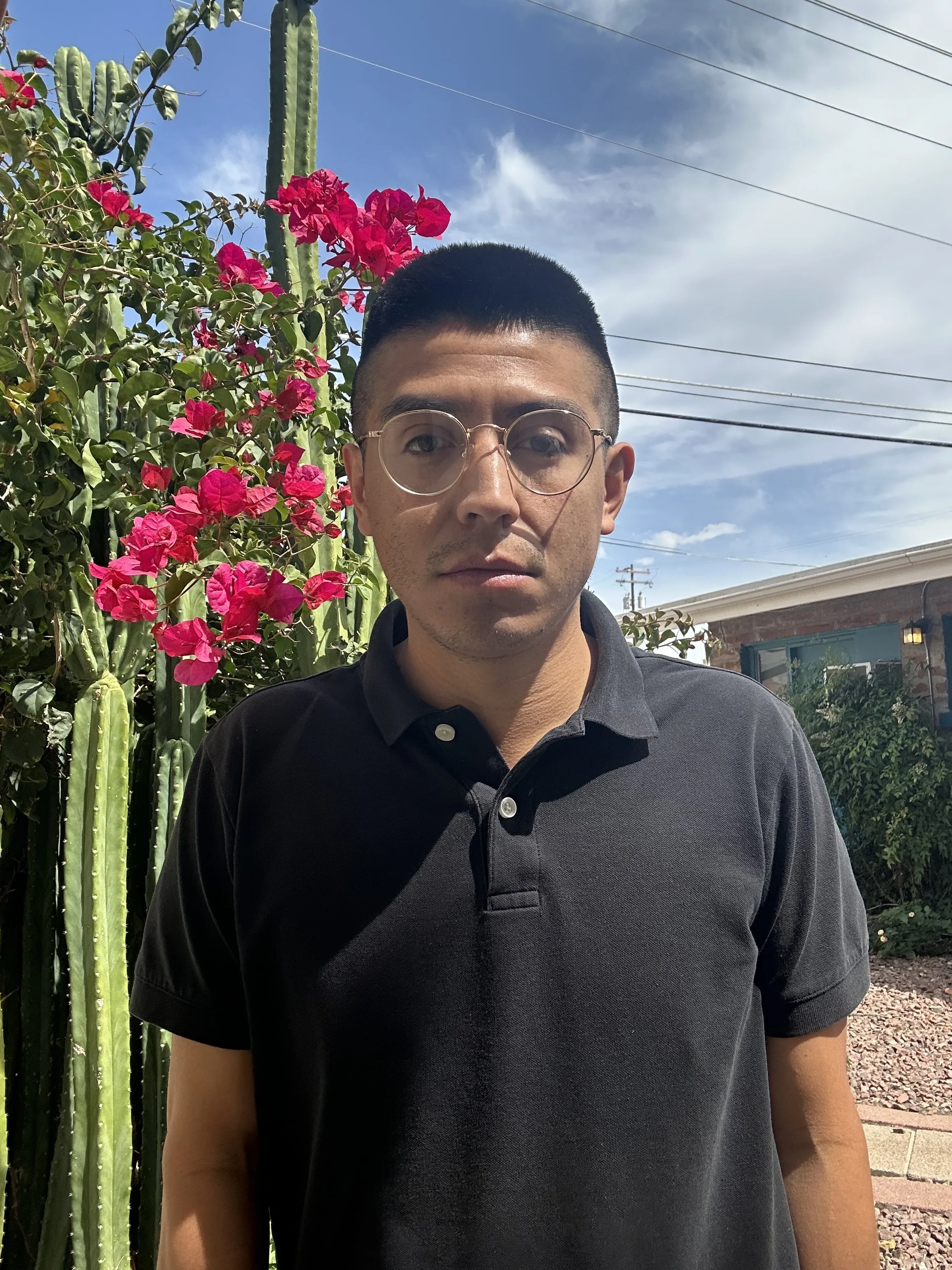
Jonathan Espinosa
Jonathan Espinosa is a PhD student in the Department of Sociology at the University of Arizona. He holds an M.A. in Sociology from Stony Brook University and a B.S. in Business Administration with an emphasis in Finance from the University of Colorado Boulder. Before entering academia, he worked for three years at the mutual fund Capital Group. His research sits at the intersection of race and ethnicity, organizations, and social mobility. He is particularly interested in how young Latinx individuals formulate educational and professional ambitions, how organizations foster or constrain opportunity, and how upward mobility shapes selfhood.
-
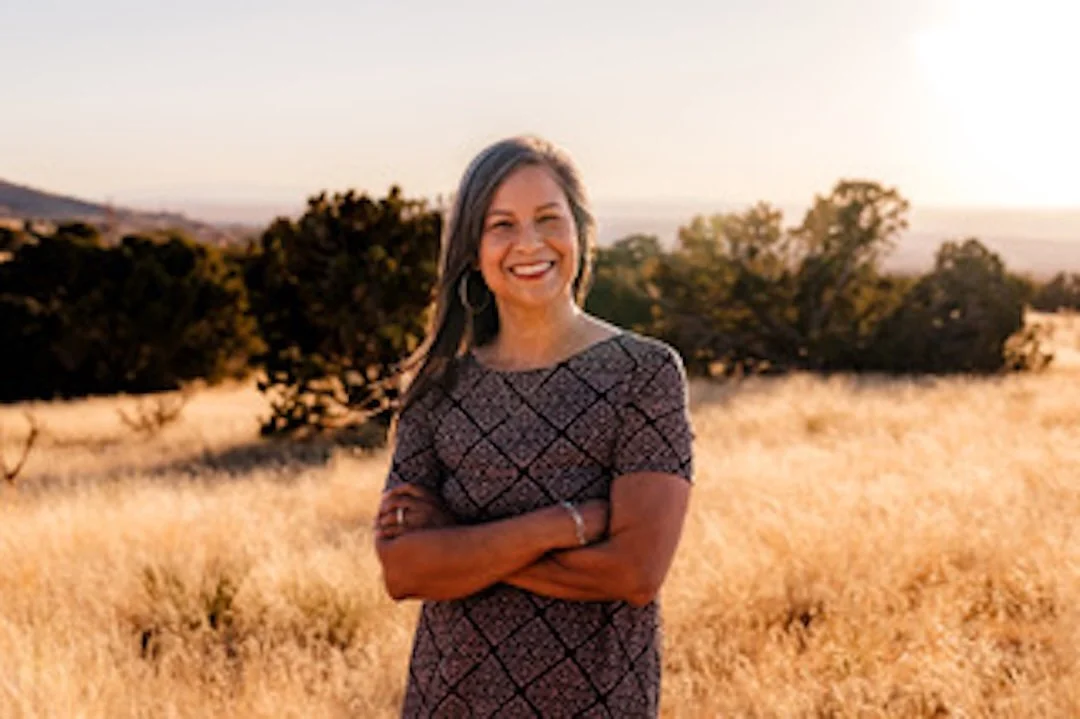
Christy Frederick
Christy Frederick (she/her/ella) was born in Texas and raised in LA. She is a PhD student in the Department of Chicana and Chicano Studies at the University of New Mexico. She serves as the Project Assistant for the Mellon Mays Undergraduate Research Fellowship. Her publications include “Humanizing Undergraduate Fellowship Experiences: Critical Reflections on Femtorship in the Adobe Tower” and “Chile, Culture and Power in Nuevoméxico: Chicana/o Studies Students at UNM Explore Chile and Power in New Mexico: Chile As…A way to investigate gender.” Her research interests include Ethnic Studies, Sociology of Religion, Chicana intersectional feminism and spiritualities, as well as U.S. film and pop culture.
-
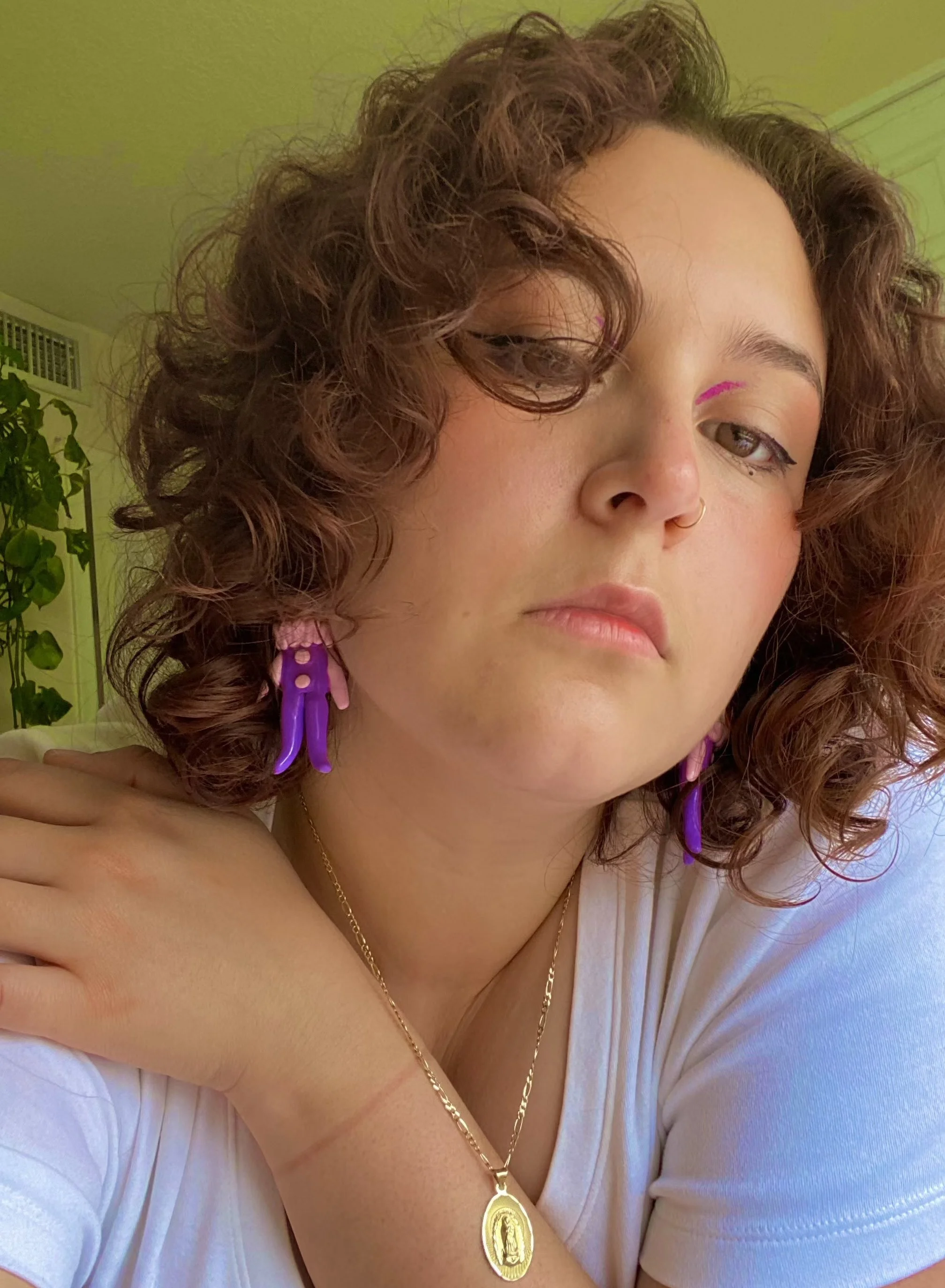
Moni Garcia
Moni Garcia is an English Ph.D. student and poet at the University of Illinois Chicago. They earned their BA in English with a concentration in Creative Writing at Northwestern University and an MFA in Creative Writing, Poetry at Arizona State University. They were a 2021-2022 recipient of the Mabelle Lyon Award and the Aleida Rodriguez Memorial Award in Creative Writing. They have been published or have work upcoming in Brink Literary, Always Crashing, Foglifter Press, and elsewhere. Their research interests include writing about Mexican and Chicane art and culture, such as lucha libre, to unravel questions of gender and queer desire.
-
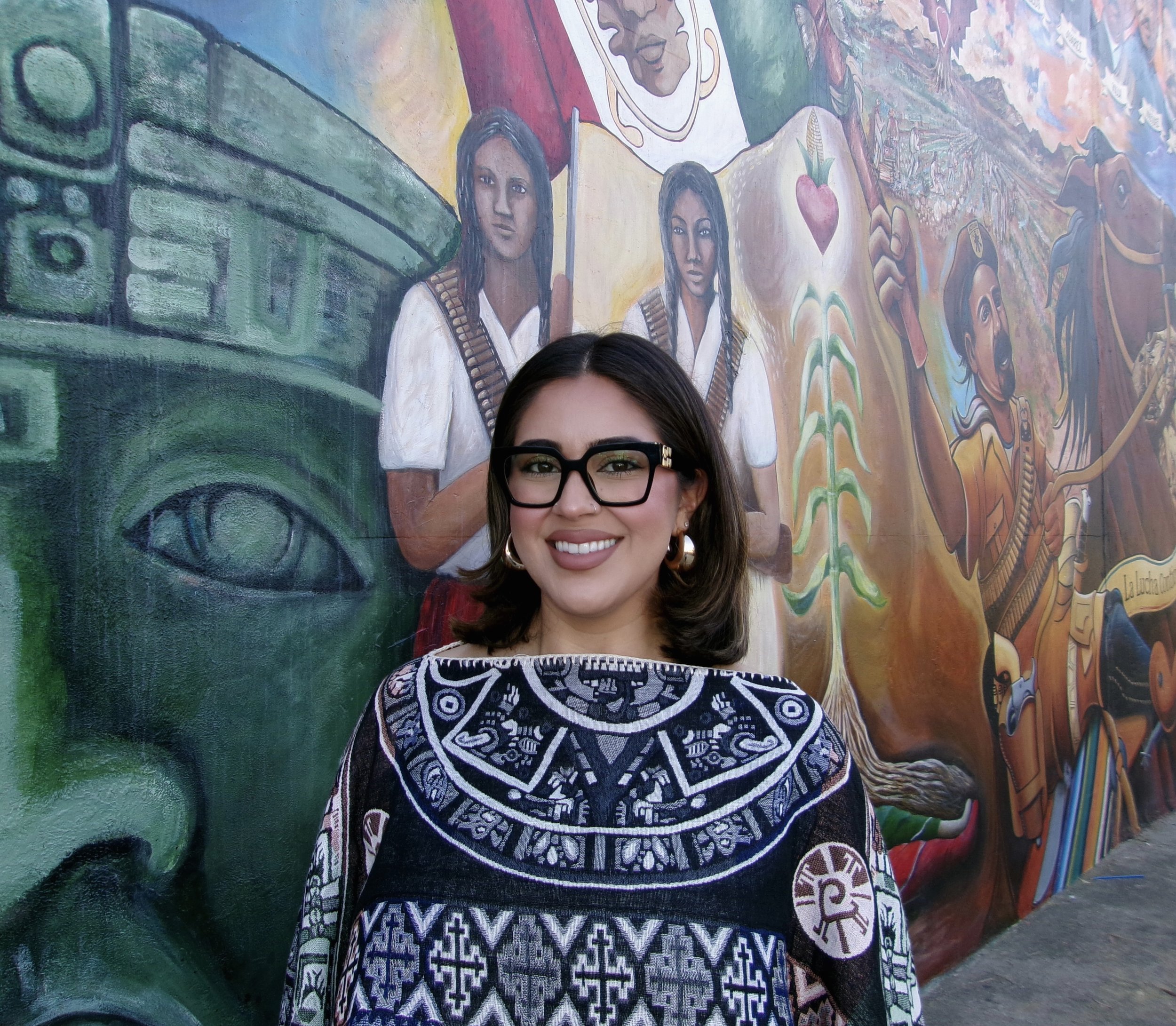
Daisy Gomez-Fuentes
Daisy Gomez-Fuentes (ella/she) is a first-generation Chicana/Latina from Anaheim, California, with roots in Jalisco (Los Altos), México. She is a doctoral student in the School of Education at the University of California, Riverside. She earned her MA in Sociology from San Diego State University and her BA in Ethnic Studies (Chicano Studies) from California State University, Fullerton. Her research centers Chicanas/Latinas in doctoral education, with a focus on the humanities. Her work is grounded in community, cultural knowledge, and a commitment to educational equity. In her free time, Daisy enjoys traveling, time with loved ones, and sunsets.
-
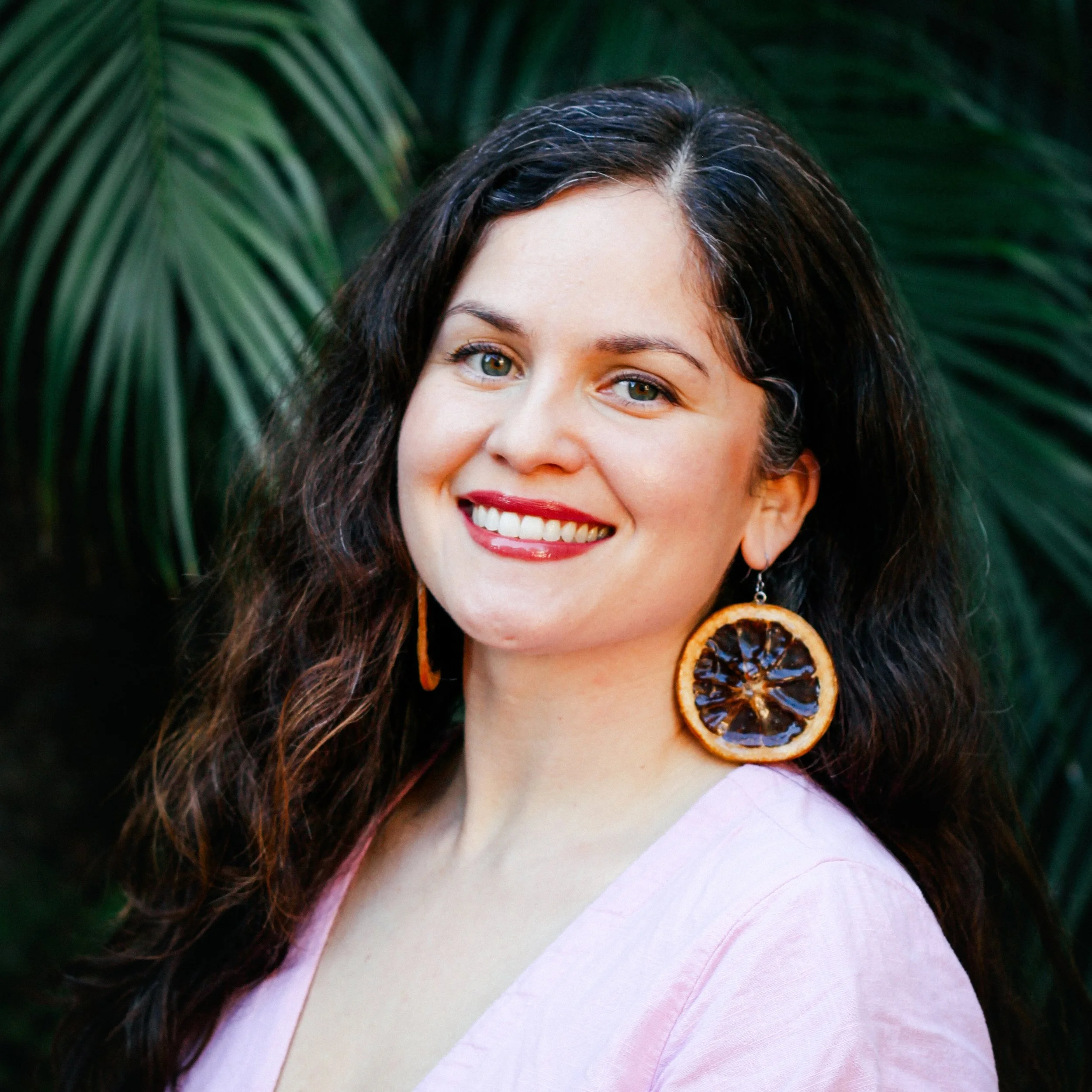
Karla E. Gómez-Pelayo
Karla E. Gómez-Pelayo (she/her/ella) is an organic intellectual, interdisciplinary artist, and community organizer. After teaching K-12 Ethnic Studies, she earned an M.A. in Women, Gender, Spirituality, and Social Justice, followed by an M.A. in Chicana/o Studies. As a Chicana/o Studies doctoral student at the University of California, Santa Barbara, she examines the cultural rise in the contemporary production, consumption, and commodification of Mexican vegan food. “Mothered” by ecofeminist praxis, she explores the stories and possibilities that emerge when Mexican vegan kitchens and food media are viewed as living archives—spaces that hold memory, practice unique ethics, and embody alternative relationality.
-
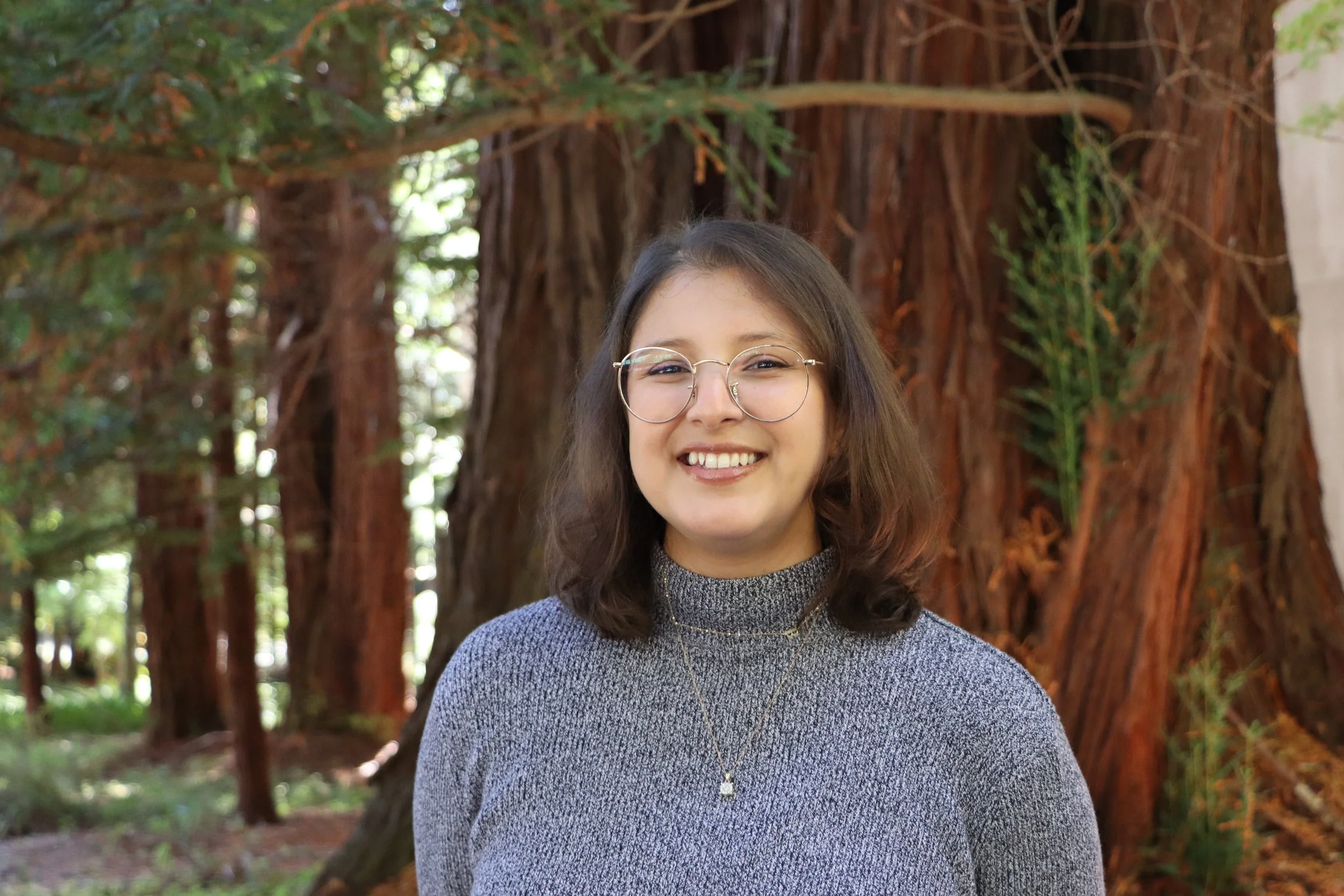
Felicity Bianca Gutierrez
Felicity Bianca Gutierrez (she/her/ella), a Chicana doctoral student, studies developmental psychology with an emphasis in Latin American and Latino Studies at UC Santa Cruz. She holds an M.A. in Psychological Science from CSU Northridge and a B.A. in Psychology with a minor in International Migration Studies from UCLA. Her research focuses on the ethnic-racial identity development of Latine college students across socialization contexts (e.g., family, higher education, social media). Her future dissertation will explore bicultural transmission between Latine college students and their caregivers through intergenerational pláticas, documenting the co-construction of community knowledge and values.
-
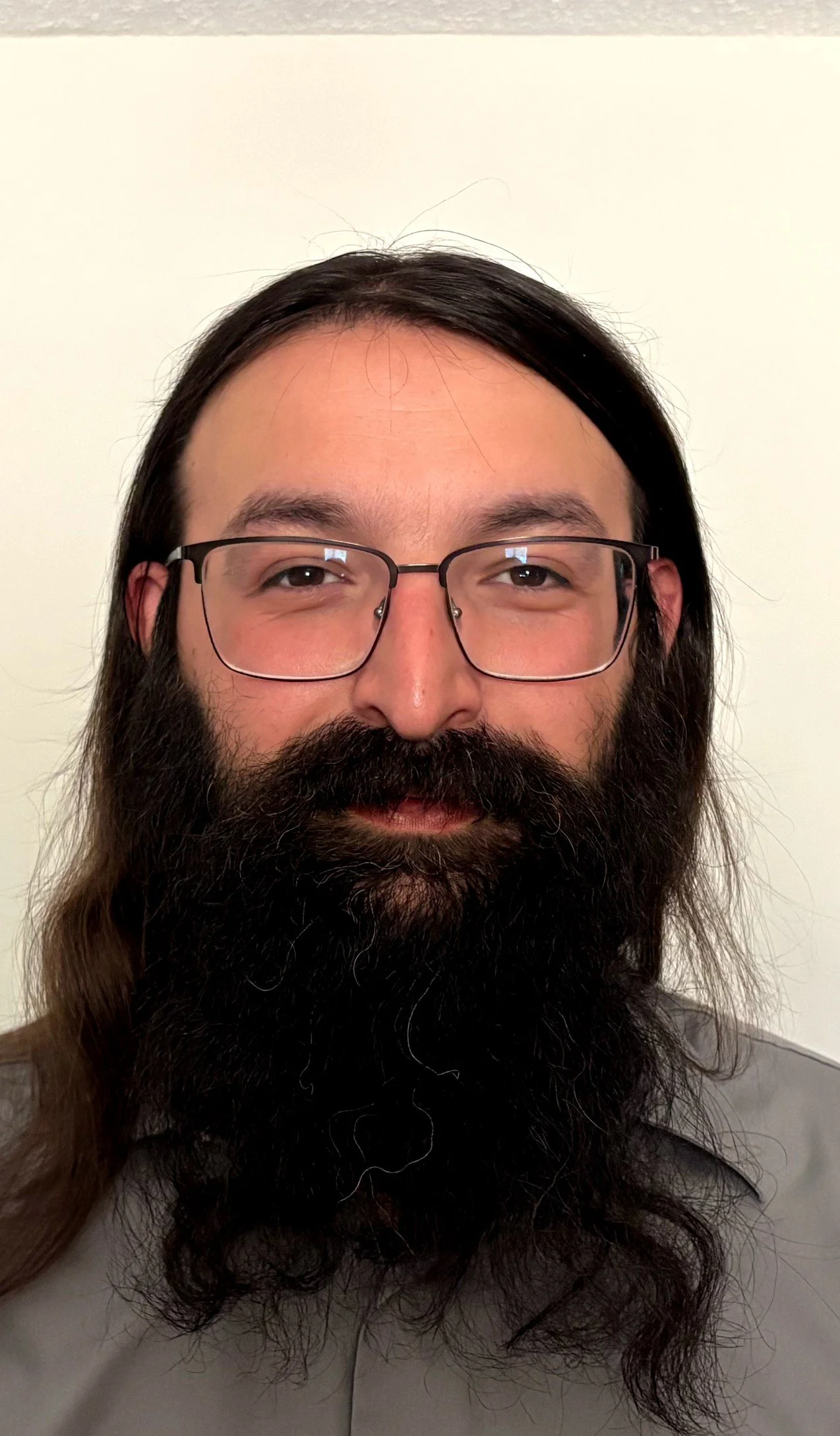
Esteban Limon
Esteban Limon is a native El Pasoan and a Chicano. He recently completed his second year of the PhD program in borderlands history at the University of Texas at El Paso (UTEP). He received both a bachelor's and a master’s degree in history from UTEP. His current research for my dissertation has focused on reproductive health in El Paso and across the U.S.-Mexico borderlands through the lens of reproductive justice and obstetric violence, exploring obstetrical procedures described in articles by doctors published in medical journals and the influence of eugenics in the medical profession during the early twentieth century.
-
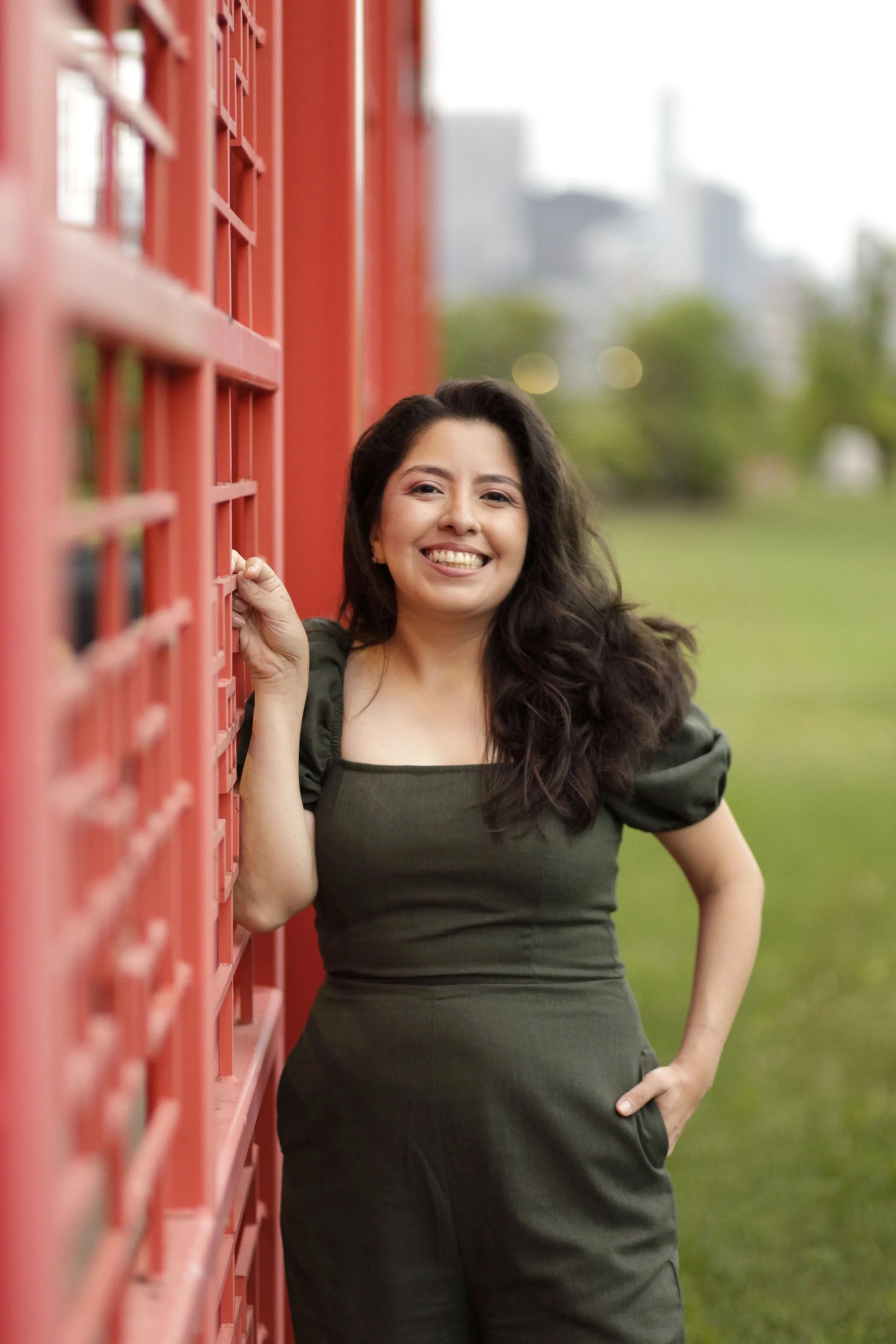
Lynda Lopez
Lynda Lopez is a doctoral student in sociology at the University of Illinois Chicago researching mobility in urban Latine neighborhoods. She examines walking, transit, and biking to consider what mobility justice looks like in Latine immigrant communities. She also engages in ethnography and interviews to study the practices of working class, Latine immigrants involved in environmental justice activism in Chicago. Lynda has a bachelor’s degree in Romance Languages and Literature from the University of Chicago and a master’s degree in Latin American and Latino Studies from UIC.
-
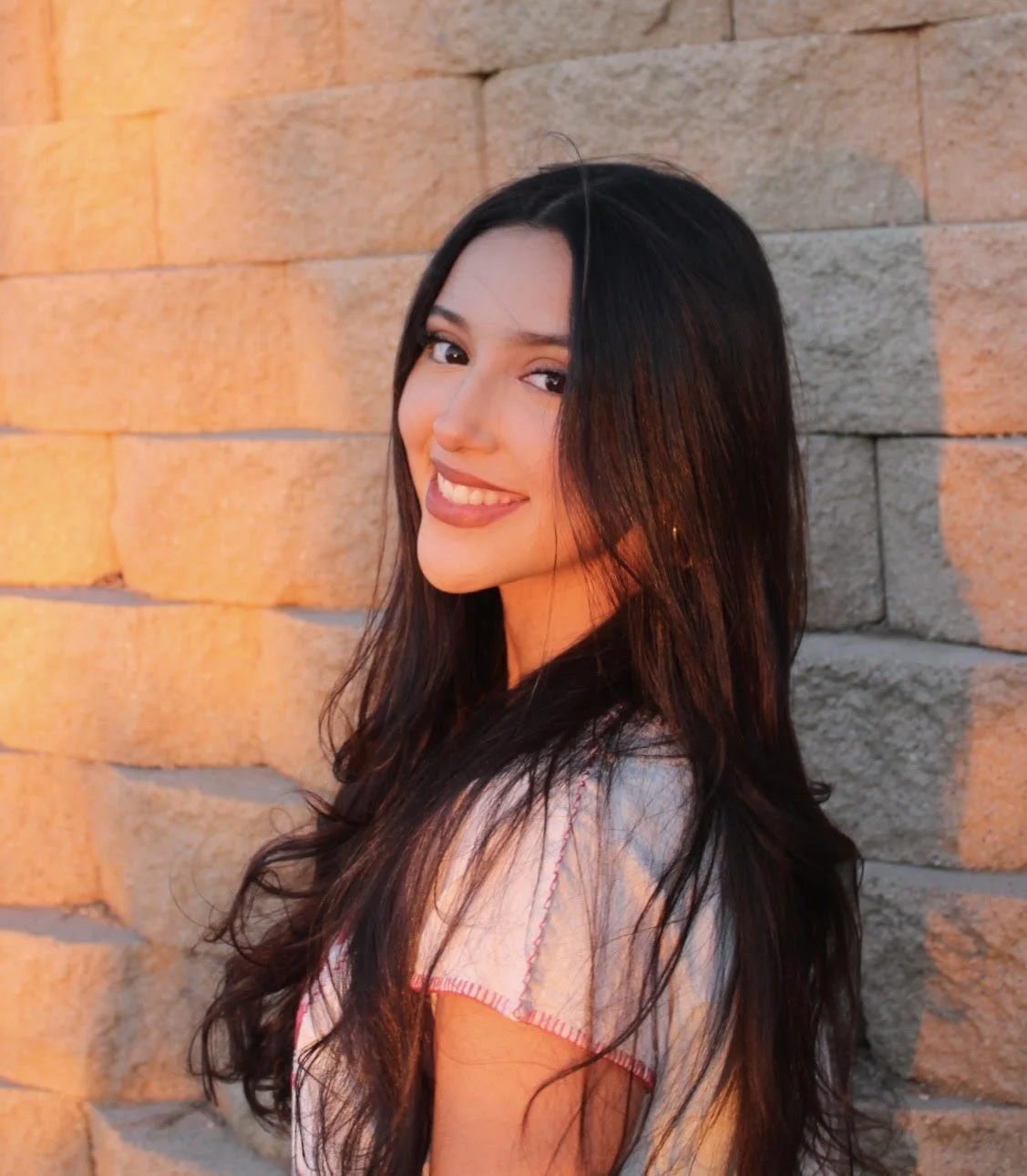
Gabriela Lúa
Gabriela Lúa (she/ella) is a third-year doctoral student in the Department of Chicana and Chicano Studies at the University of California, Santa Barbara. Gabriela earned her B.A. in Sociology and Public Policy from UC Riverside (2022). Her doctoral research revolves around how first-generation Latinx students cultivate belonging and healing in higher education throughmusic and social spaces. She is interested in exploring how students’ listening practices canfoster connection and serve as therapeutic mediums. Outside of academia, you can find her inclassrooms learning salsa and folklorico.
-
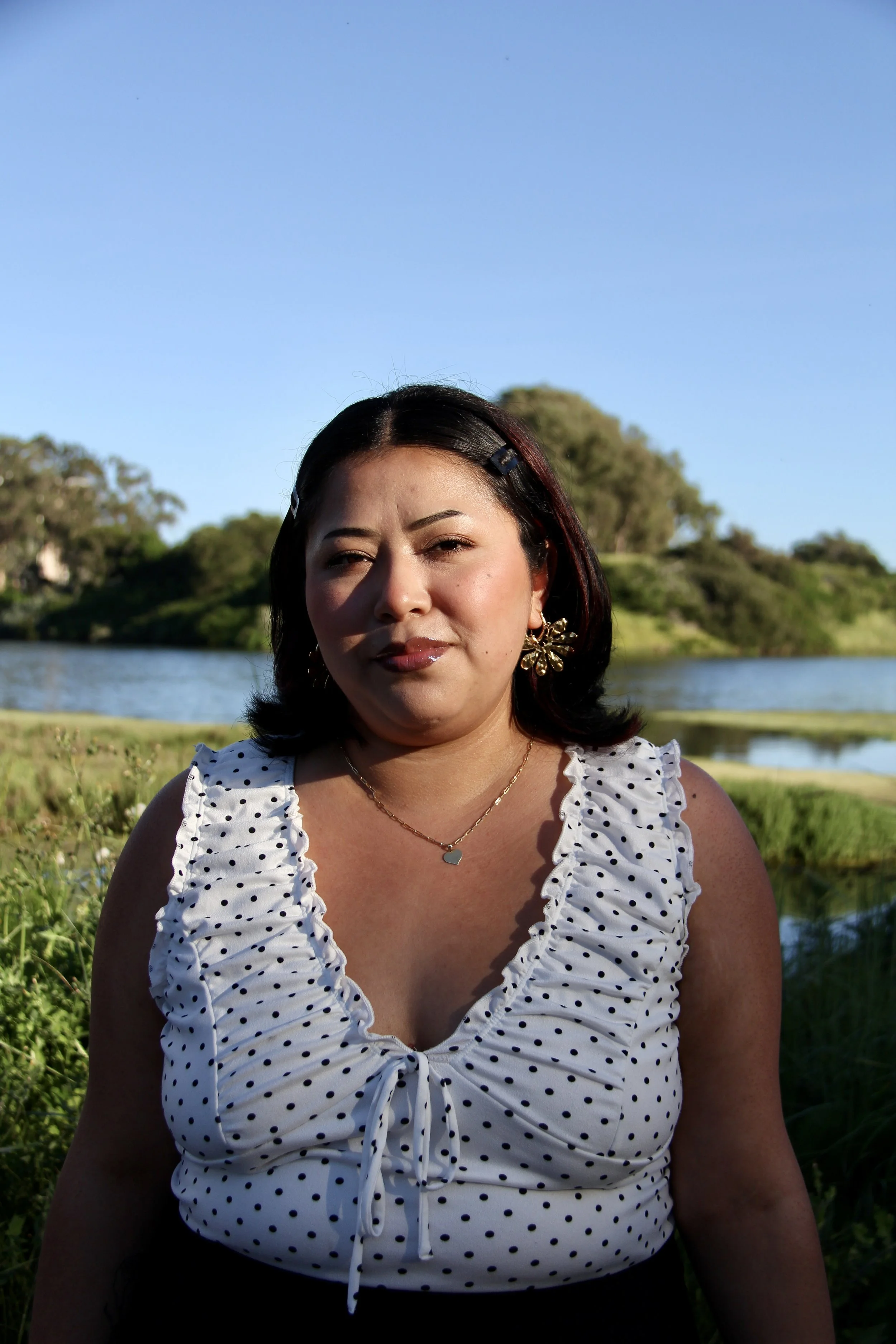
Alejandra Mejia-Pulido
Alejandra Mejia-Pulido (she/her/ella) is a third-year Ph.D student in Chicana/o/x Studies at the University of California, Santa Barbara (UCSB). She received her B.A in Chicana/o/x Studies and her M.A. in Education at UCSB. She is a first-generation immigrant from a small town in the State of México. After migrating, Alejandra and her family settled in South Central, Los Angeles. Her research examines how undocumented Mexican migrants in Los Angeles use aesthetics of rasquachismo during patron saint celebrations to navigate displacement, preserve ancestral knowledge, and transmit cultural memory through collective joy.
-
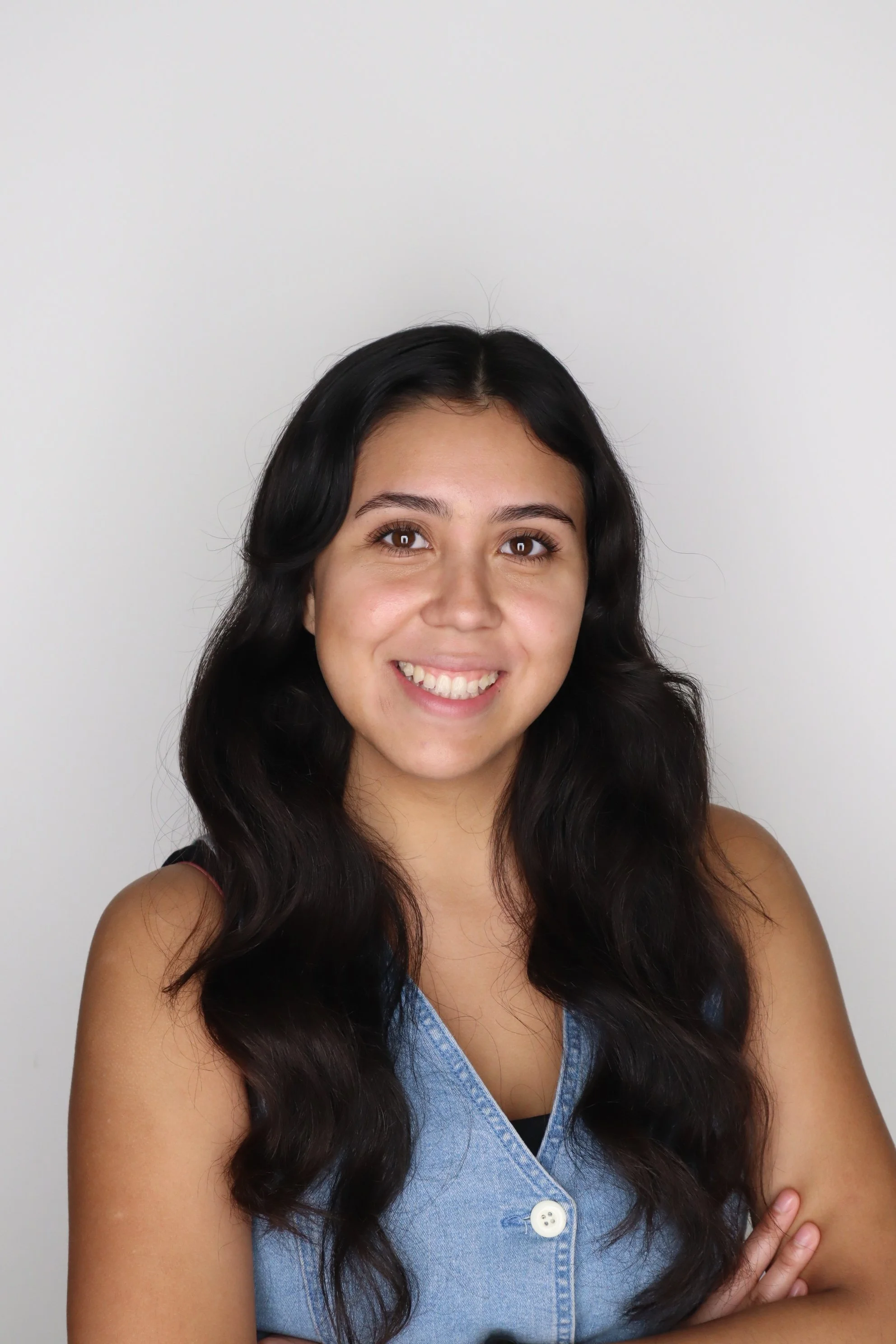
Julia Nava
Julia Nava (she/her/ella) is a Ph.D. student in the department of Film and Media studies at UCI. Her research focuses on Latinx media and digital media piracy. Nava’s research seeks to trace the ways in which digital technologies and internet piracy methods have enabled media access, transnational media exchange, and diasporic community formations between Mexico and Los Angeles. Her research aims to understand piracy beyond narrow legal understandings of stealing and reselling, and rather investigates the ways in which piracy functions as an important means of accessing culturally significant media across borders. Relying on ethnographic research methods, Nava explores piracy’s relationship to generational Latinx cohorts and intergenerational family dynamics.
-
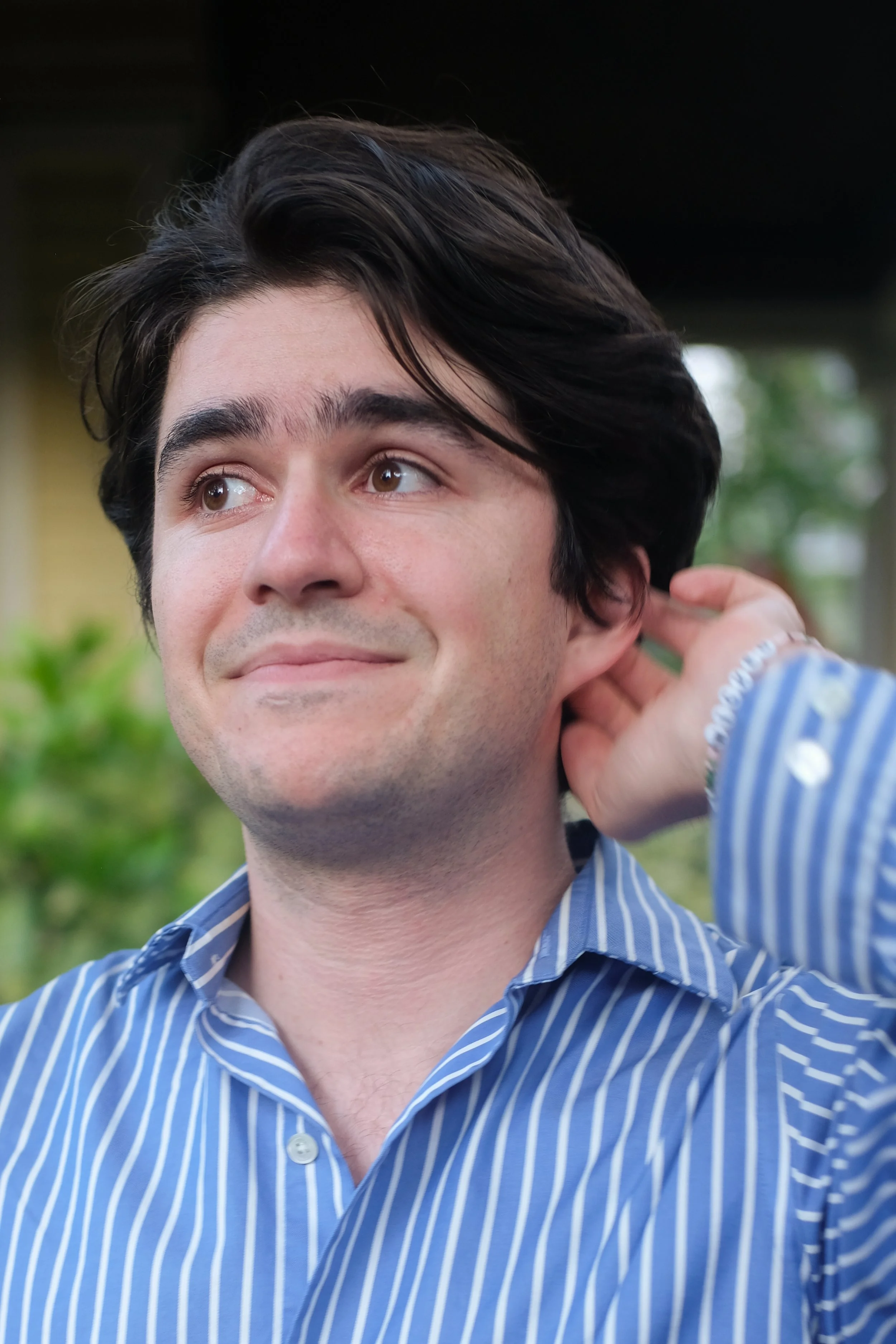
Nicolas Orozco-Valdivia
Nicolas Orozco-Valdivia is a PhD student in Art History at the CUNY Graduate Center. He researches modern and contemporary art of the Americas, with a broad interest in the relationship between artists and material cultures, and a particular focus on Latinx art before and after the social movements of the 1960s and 70s. As a curator, he has organized exhibitions at various art spaces and museums in Los Angeles, including on the legacies of the Salvadoran Civil War at The Mistake Room; contemporary art and K-pop at LACE; and the intersection of labor and photography at LACMA. He grew up in Alhambra, andnow lives in Brooklyn.
-
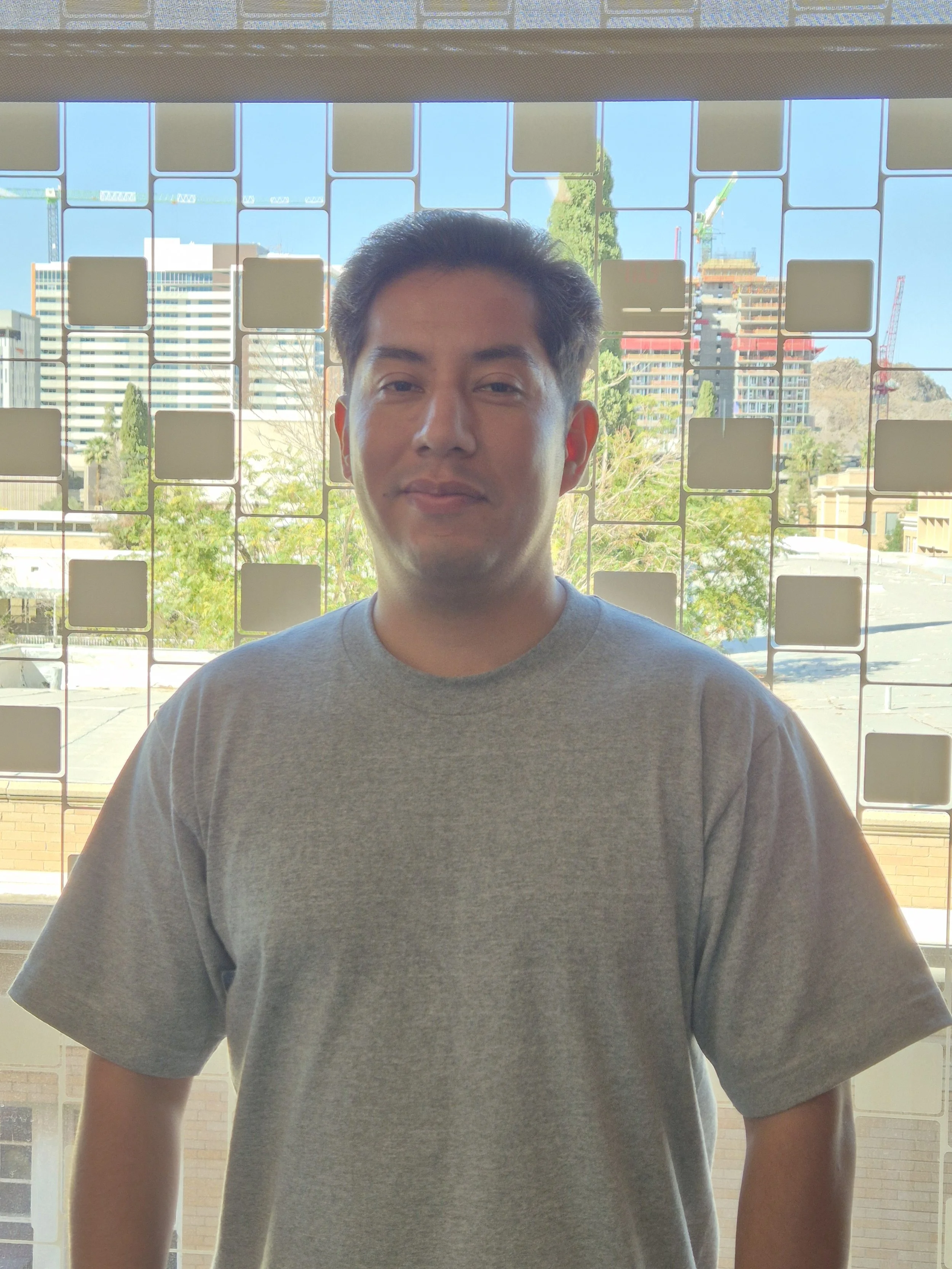
Roberto Ortega
Roberto Ortega is a doctoral student in sociology at Arizona State University. He is a first-generation college graduate and earned his B.A. in Chicana/o Studies along with a minor in Sociology at California State University, Dominguez Hills (2020), where he was also a McNair Scholar. He holds an M.A. in Sociological Practice from California State University, San Marcos (2022), where he examined how high school dress code policies reproduce the school-to-prison pipeline and educational inequality. His current research focuses on the symbolic meanings of streetwear fashion and how these meanings challenge dominant racial stereotypes that criminalize communities of color.
-
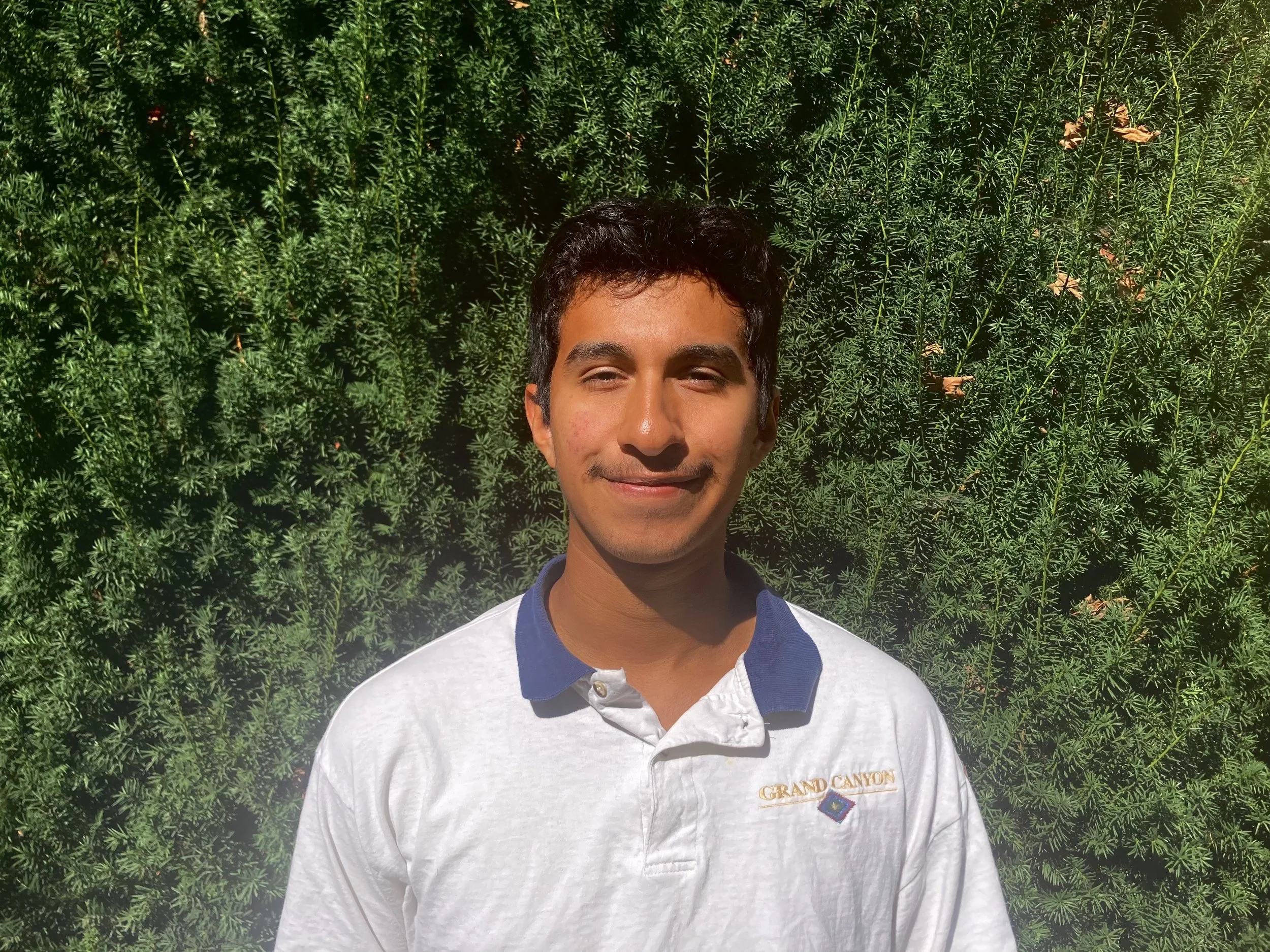
José Ortiz-Angeles
José Ortiz-Angeles is a doctoral student in the Philosophy department at Texas A&M University. His work is focused on Latin American Philosophy and particularly concerns itself with questions of language, border thinking, and theories of plurality. José uses a decolonial framework to question how local theories of communication can disrupt large-scale networks of social and political power. José focuses on the work of María Lugones and Gloria Anzaldúa to explore how decolonial theories of the self and communication can create radical political change.
-
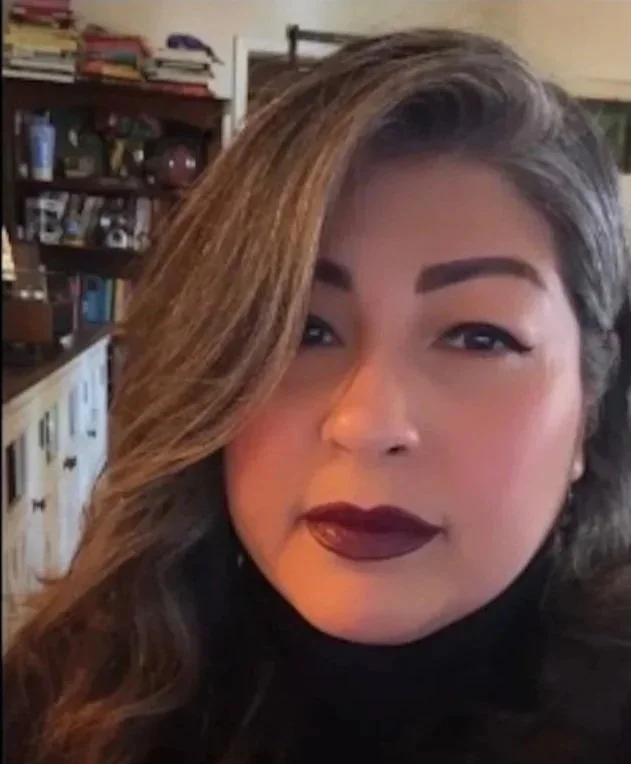
Angelica Ortiz
Angelica Ortiz (she/her/ella) is a doctoral student in the English department at the University of California, Riverside. She earned a B.A. in English with a minor in Chicana/o/x Studies from the University of California, Los Angeles (2019) and an M.A. in English from California State University, Los Angeles (2024). Angelica’s research examines how Chicanx, Latinx, and Indigenous literature and media as well as the bodies represented within them challenge the limits of archival repositories and traditional spatial mapping. Recognizing that institutional archives often produce fragmented or unresolved histories, her work explores how autobiographical narratives and gendered performances necessitate alternative forms of mapping.
-
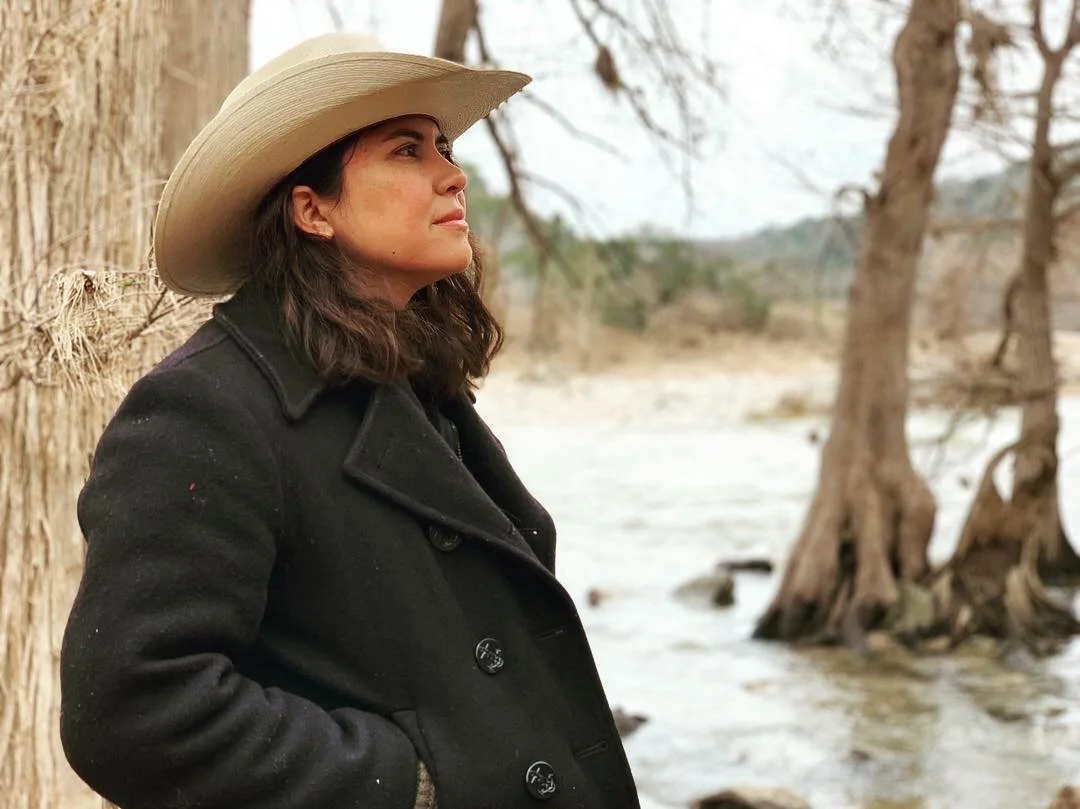
mónica teresa ortiz
mónica teresa ortiz is currently a Ph.D. student in Creative Writing at Texas Tech University. They are a Texas-born Mexican poet, critic, and scholar whose research focuses on poetics, Latinx studies, borderlands, archival studies, necropolitics, and Latin American literature. They are the author of the poetry collection, Book of Provocations, from Host Publications (2024), and their work explores how poetics, love, and violence materially transform the US Latine experience under the conditions of climate catastrophe, surveillance, militarized borders, migration, oppression, homophobia and transphobia under the specter of colonialism that haunts Texas and the southern U.S.
-
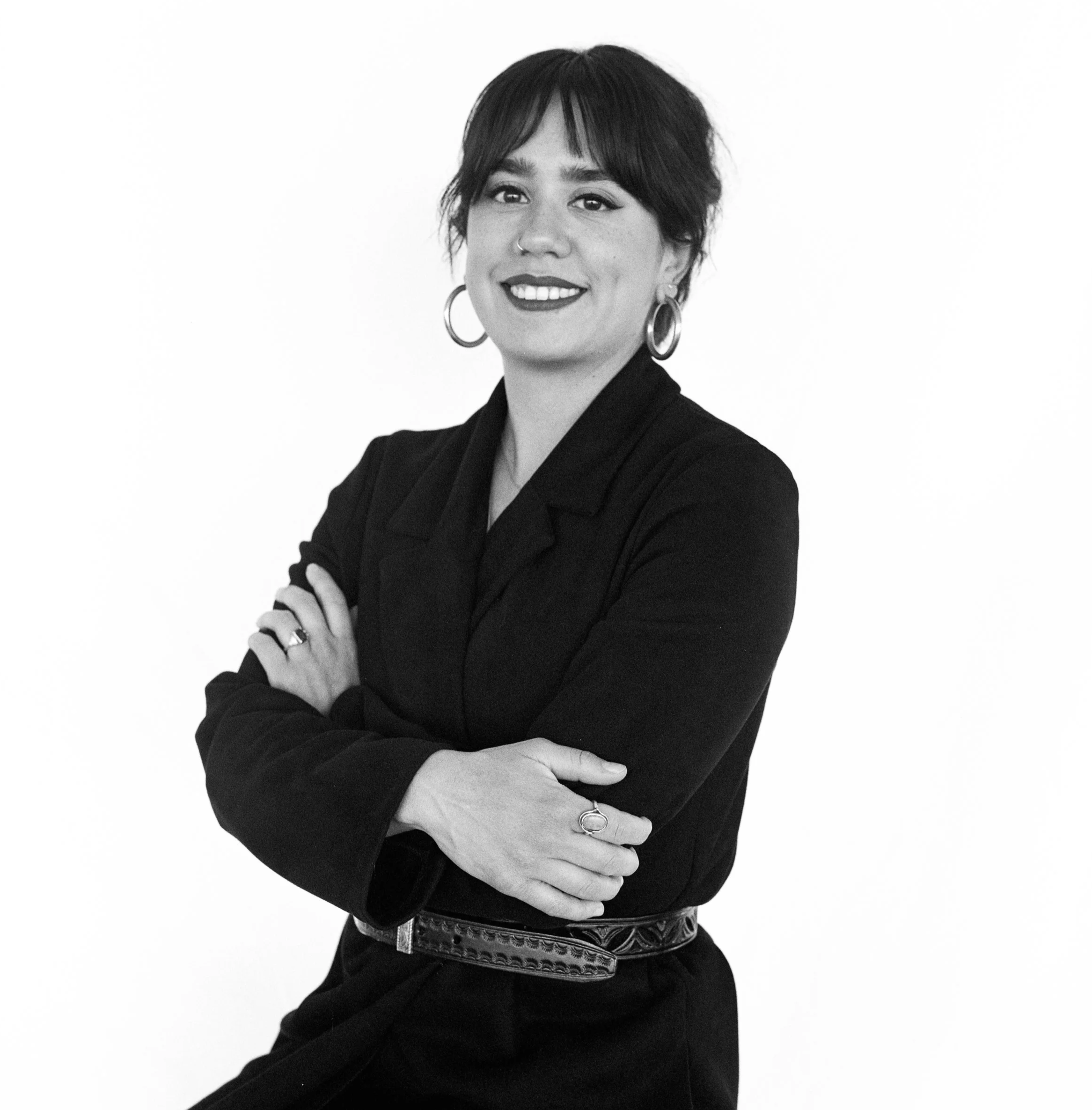
Amanda Palacios
Amanda Palacios is a doctoral student in the Department of Sociology at the University of Texas at El Paso. She holds a master’s degree in Anthropology from New Mexico State University and a BA in Middle Eastern Languages and Cultures from the University of Texas at Austin. Amanda is a recipient of the Natalicio Summer Fellow (UTEP), Chihuahuan Desert Cultural Fellow (La Semilla), and NMSU’s Dean’s Graduate Award. Her current research project examines US-Mexico environmental issues in the borderland region, reconfigurations of historical land and water access, and their impact on local food customs and practices.
-
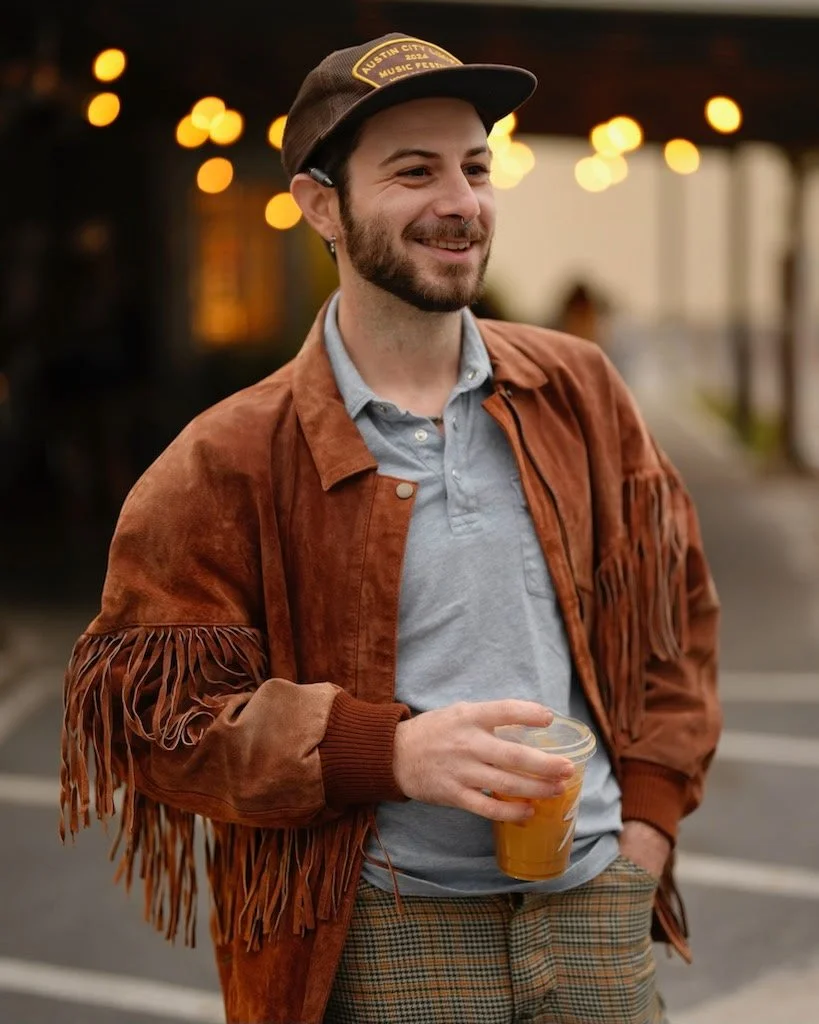
ethen peña
ethen peña is a PhD student in Mexican American and Latino/a Studies at the University of Texas, Austin. He holds a B.A. in History and Political Science from Texas A&M University - Kingsville and a Master’s in History from Texas State University. His research traces the borderlessness of revolutionary ideologies and methods on the North American continent by mapping how they move and mutate across time, space, and culture. Out of this work, ethen is building toward a Chicane Marxism adequate to the contradictions of the 21st century.
-
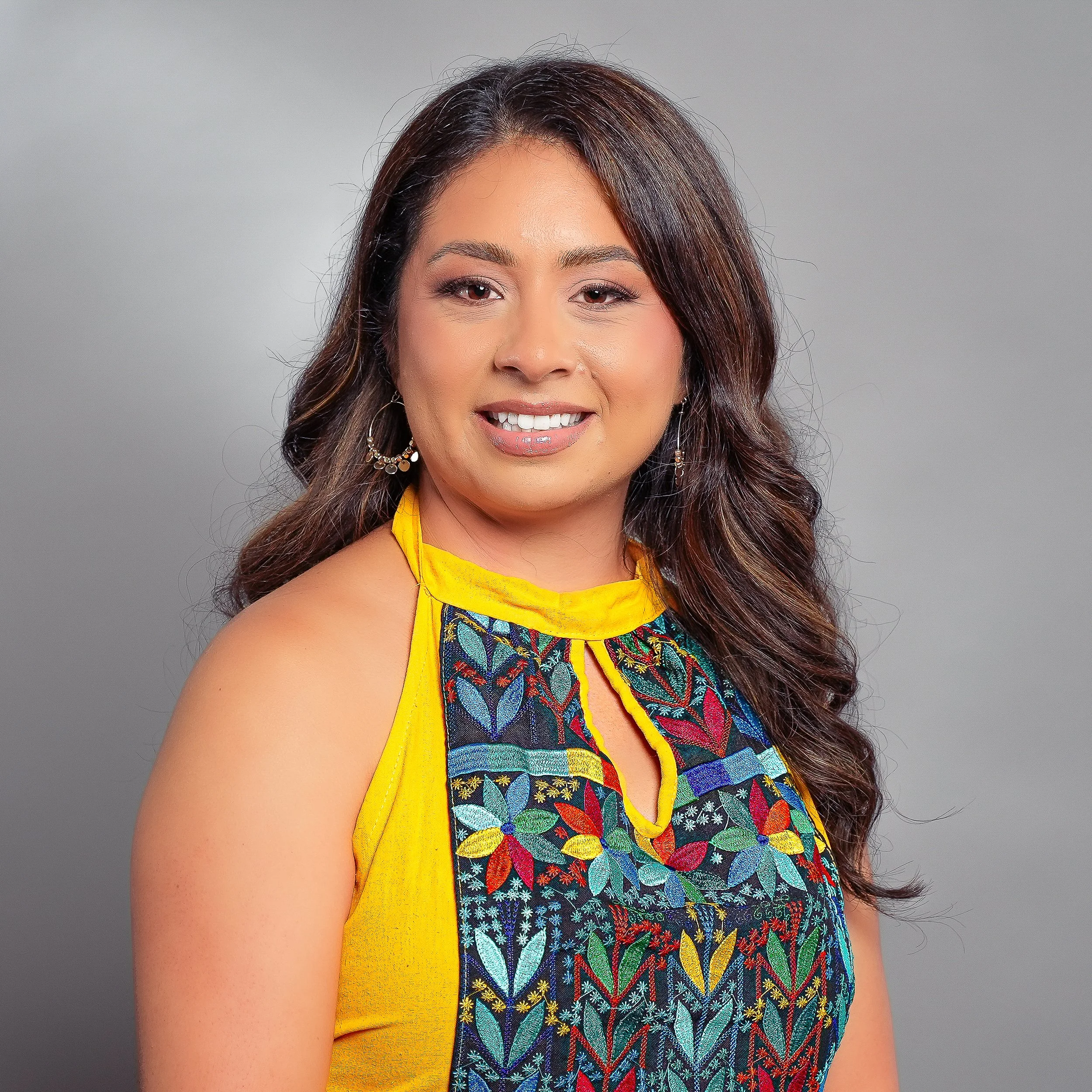
Ana Liseth Ponciano
Ana Liseth Ponciano, LMSW, is a doctoral student in the School of Social Work at the University of Texas at Arlington. Her research explores who Mexican immigrant families connected to the Dallas–Fort Worth area navigate voluntary return migration.She currently serves as a research assistant, graduate teaching assistant, and mental health therapist. Ana earned both her bachelor's and master's degrees in social work. She is committed to advancing culturally responsive mental health services and aims to develop approaches that move beyond Western frameworks to better support diverse and historically underserved communities.
-
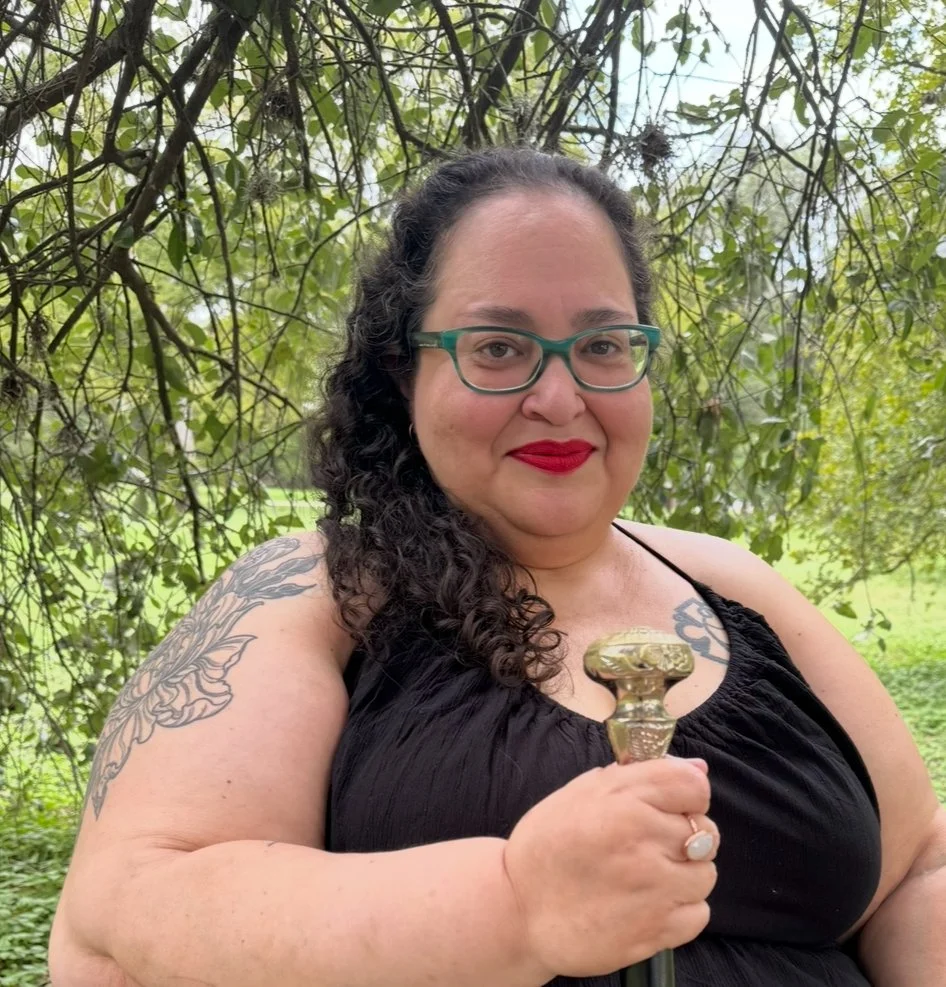
jo reyes
jo reyes is a doctoral student in Literature at Texas Tech University. First generation and first in their family to gain a degree, jo received their MFA from University of Texas Rio Grande Valley and their BA in American Studies from the University of Texas San Antonio. Currently a Texas Leadership Research Fellow, they are also a playwright and published poet, publications of which include their book the matchstick litanies (Next Page Press, 2023). Their research focuses on identity, cultural production, and survivance along borders and waterways, with a focus on transdisciplinary studies within the blue humanities.
-
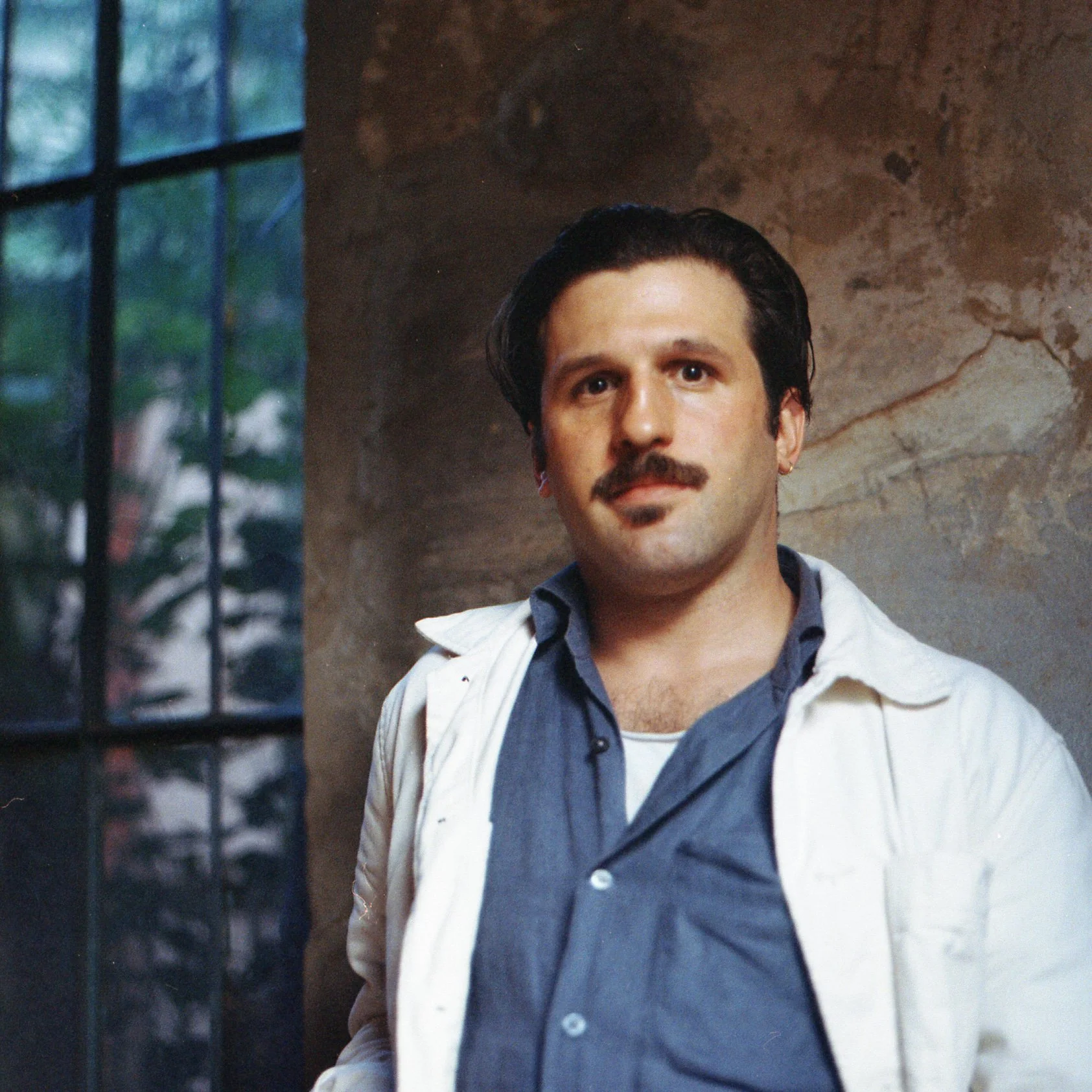
Camilo Roldán
Camilo Roldán is a bilingual Colombian-American poet and translator, author of two poetry collections, Dropout (Ornithopter Press, 2019) and El último soneto y nos vamos (HAO, 2021), and translator of God is a Bitch Too by María Paz Guerrero (UDP Señal Series, 2020) and Interior Design by Fátima Vélez (Cardboard House Press, 2027). He holds BAs in English and Spanish from NMSU and an MFA in Creative Writing from Brooklyn College. He was the 2025 recipient of the Inprint Restrepo Global Translation Fellowship and is currently an Inprint Fondren Foundation Fellow pursuing a PhD in Literature and Creative Writing at University of Houston, where he serves as Translation Editor for Gulf Coast.
-
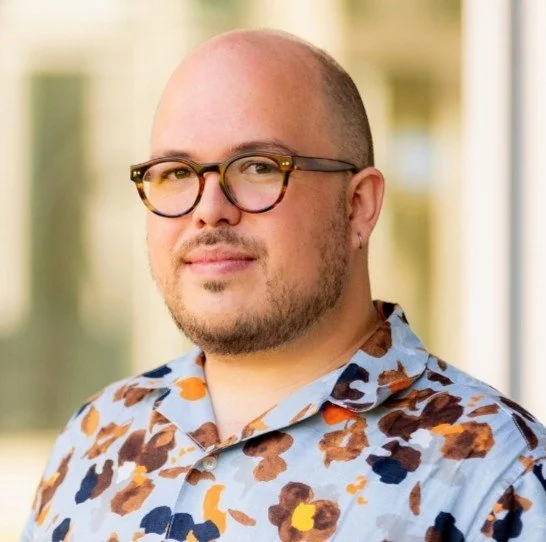
Raúl Romo
Raúl Romo (he/him) is a first-generation doctoral student in the Department of Latin American and Iberian Cultures at the University of California, Irvine. He holds a dual B.A. in Design and Spanish Literature from UC Davis and an M.A. in Spanish from Cal State Bakersfield. At UCI, he works as a language instructor and partners with campus units to celebrate Latino culture through film screenings, discussions, and workshops. In 2025, he launched Ofrenda Viva, a Día de los Muertos altar that bridges tradition and technology. His research explores Latinx literature, media, and visual culture, centering queer subjects and their occupation of space. Such mappings unveil a political activism affirming the resilience of queerness and Latinidad.
-
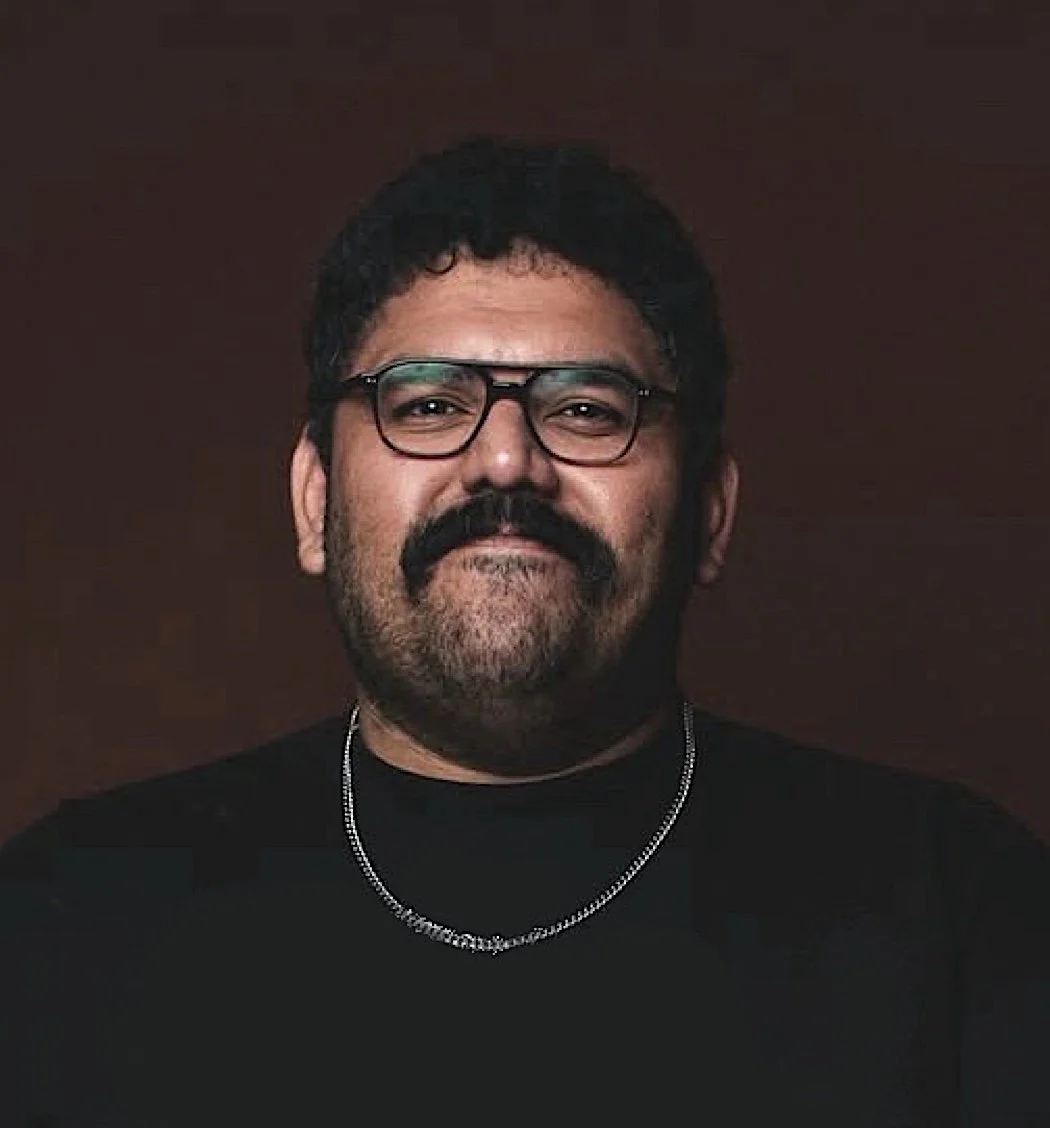
Jesus Sanchez
Jesus Sanchez (He/They) is a second-year Mexican/Salvadoran PhD student in History at the University of Illinois Chicago. They hold a B.A. and M.A. in History from the University of Houston. Born in the Midwest and raised in Houston, their research focuses on the twentieth-century history of El Salvador and the early Salvadoran diaspora. Their work examines the social history of the Central American Sanctuary and solidarity movements in Texas during the 1980s, focusing on activists, religious leaders, and undocumented refugees who protested U.S. foreign policy and advocated for Central American refugees in a deeply conservative state during the Cold War.
-
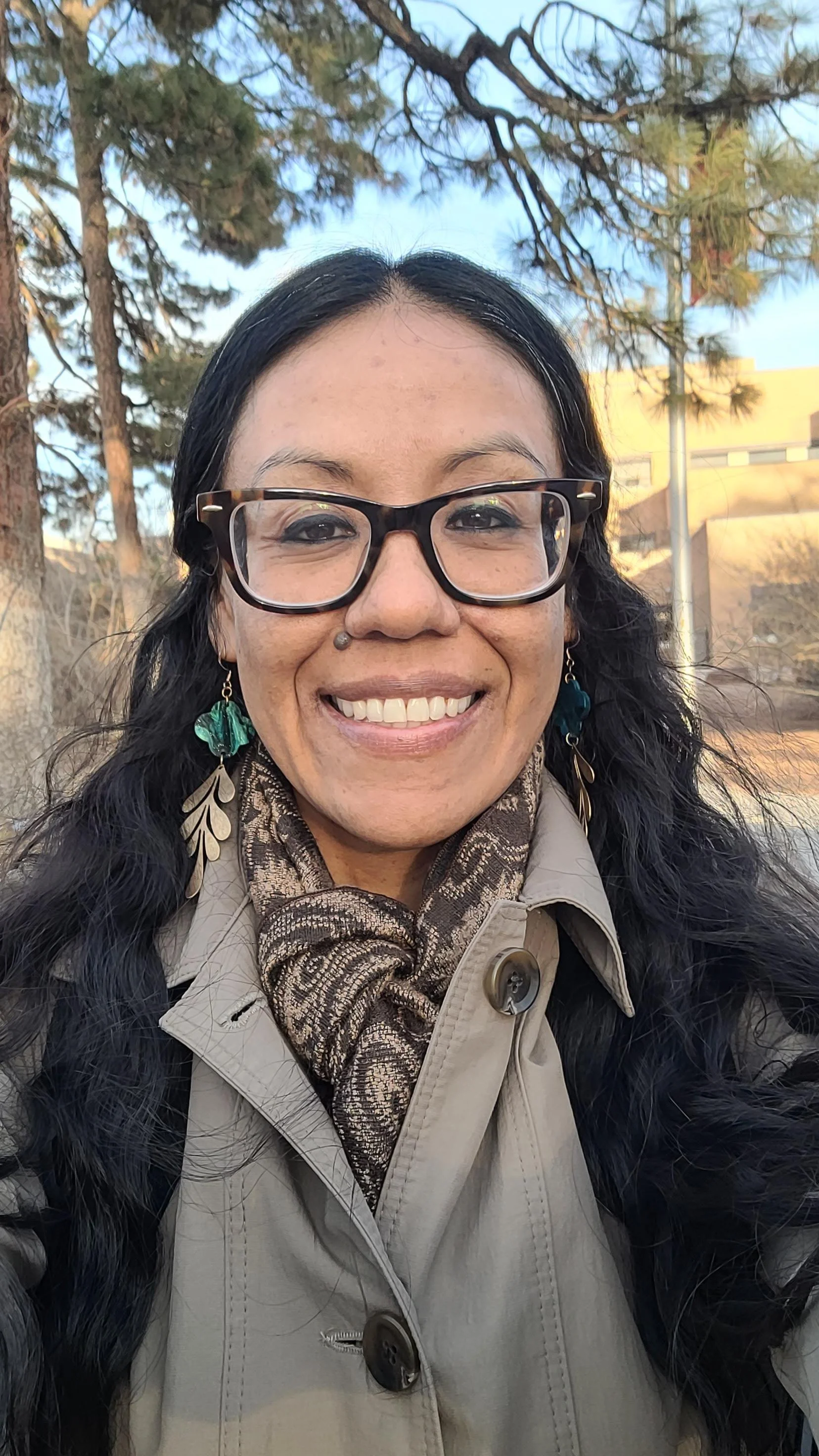
Xóchitl Lizeth Santillán Reyna
Xóchitl Lizeth Santillán Reyna is Lipan N’de of the N’de Apache Nation, Xicana, an Afrodescendiente, Two-Spirit, un/documented, and a first-generation student. She was born in Durango, México and grew up on the Colorado River Indian Tribal nation. Xóchitl is a PhD Student at the University of New Mexico, Chicana/o Studies. She completed a Master of Arts in Chicana/o Studies, a Master of Arts in Library and Information Science, a Graduate Certificate in Archival Studies, and a Bachelor of Arts in Spanish Literature and Cultural Studies. Xóchitl has been published in Chicana/Latina Studies Journal, Malflora Magazine, and UNM’s Chamisa Journal.
-
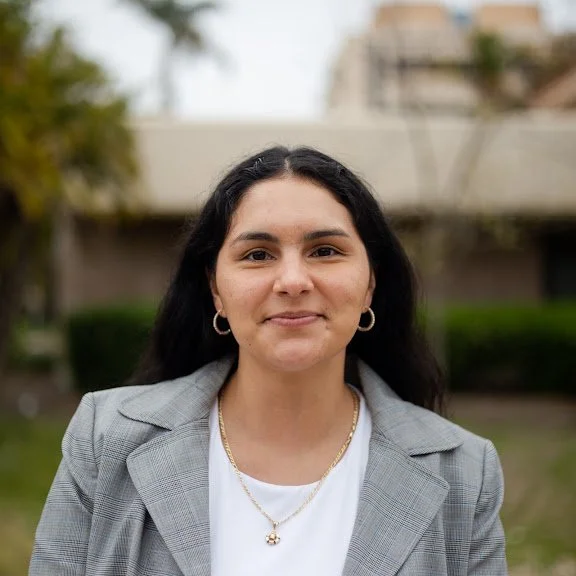
Carla Suarez Soto
Carla Suarez Soto is a PhD student in the Education Department at UC Santa Cruz, with a designated emphasis in Latin American and Latino Studies. She holds a BA in Linguistics, Spanish, and Italian from UC Santa Barbara. Her research examines language, identity, and raciolinguistic ideologies. Currently, her research explores how dominant deficit views of racialized speakers contribute to the erasure of Indigenous Latinx identities. This work is grounded in her community-based research with Senderos, a nonprofit serving the Latinx community in Santa Cruz, where she investigates how community spaces sustain minoritized languages and cultures.
-
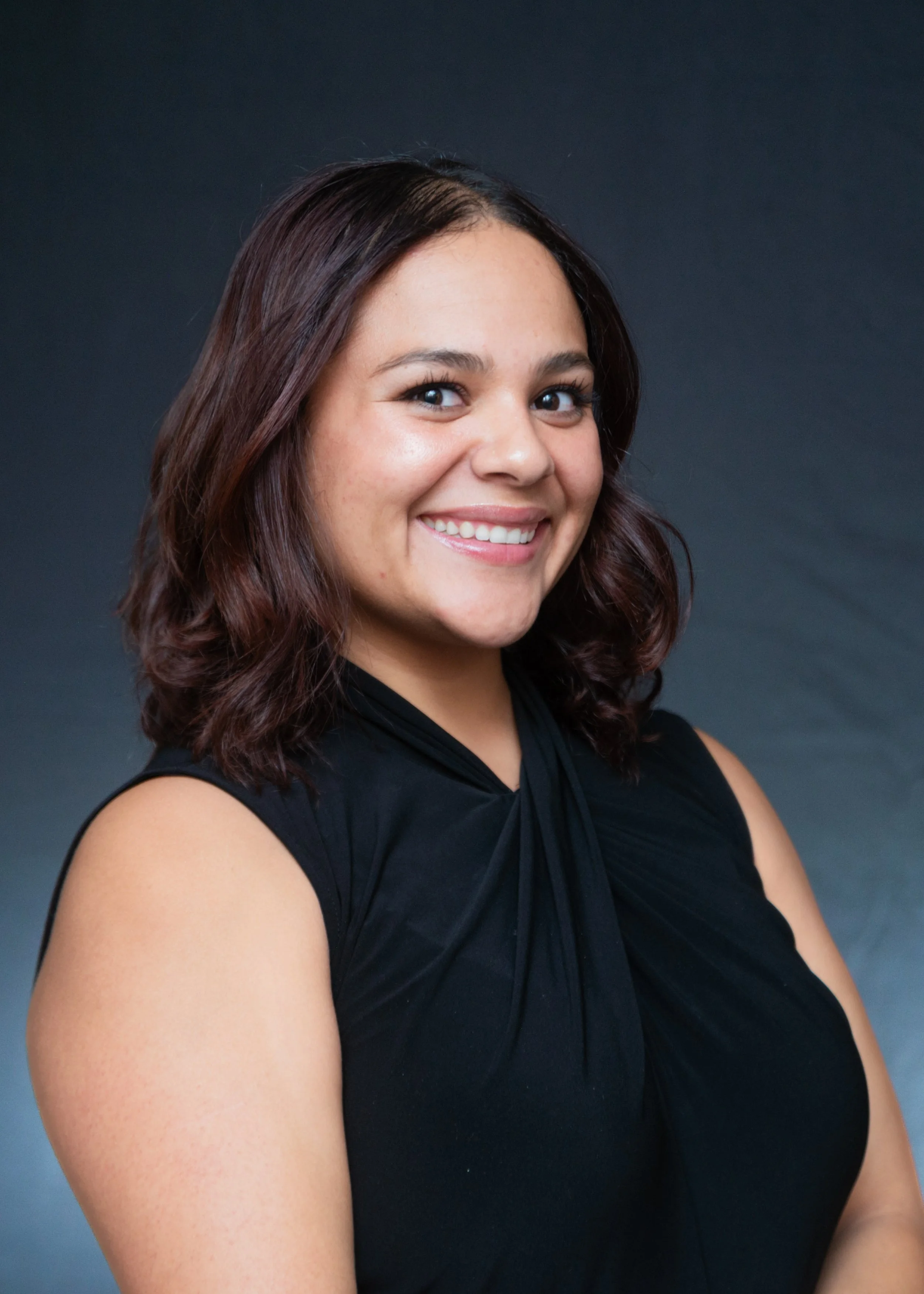
Carla Torres
Carla Torres (she/ella) is a second-year doctoral student in the Rhetoric and Composition program at The University of Texas at El Paso. She teaches first-year composition and serves as an assistant director for the University Writing Center (UWC). Her research interests include rhetorical empathy, rhetorical listening, affect, and writing center studies. Currently, Carla focuses her research on exploring the discourse of how symbols intersect with racism in the Latino/a/x community. Her aim is to bring interdisciplinary conversations about the ways everyday symbols mark aggression points that impact the lived experiences of those they oppress. To do this, she draws upon the intersections of rhetoric and composition, Latino Studies, cultural studies, and semiotics, Carla’s research aims to fill a gap in the area of visual rhetoric.
-
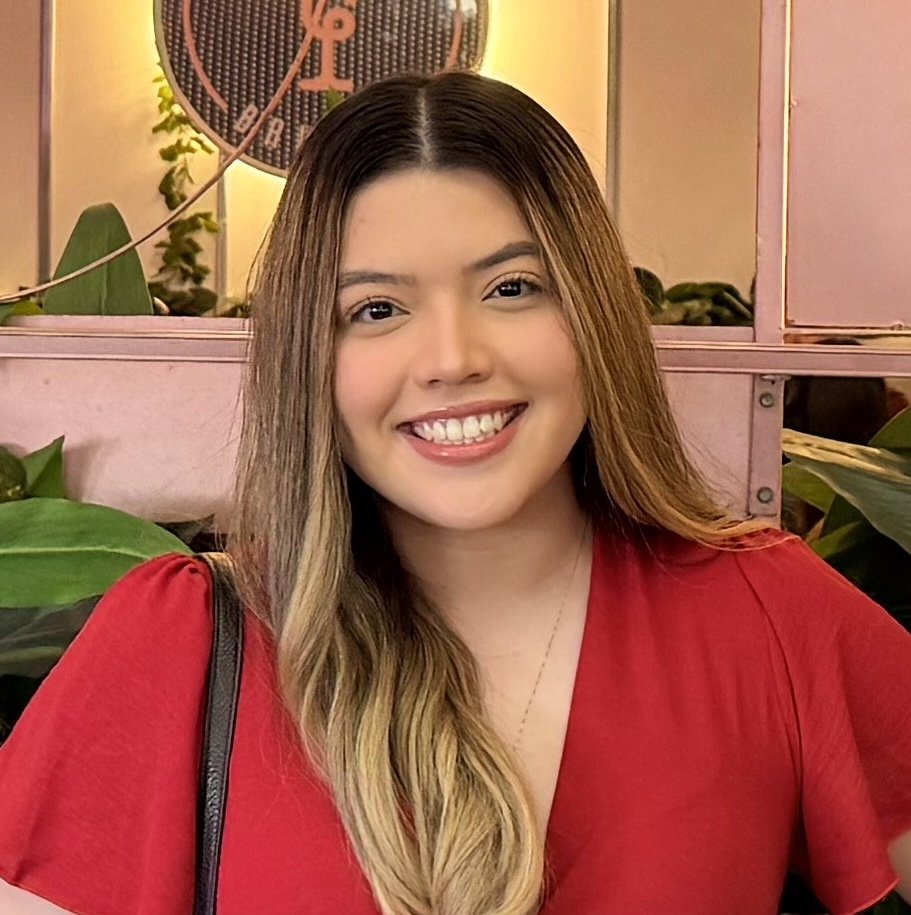
Karen A. Valle Frias
Karen A. Valle Frias is a doctoral student in the Clinical Psychology department at the University of Nevada, Las Vegas. Karen earned her BS at Emory University in Atlanta, Georgia where she studied Psychology and Chemistry. Karen's research interests center on behavioral addictions in underrepresented and minoritized populations. Karen's current research project focuses on exploring racial differences in problem gambling associates in U.S. Hispanic, White, and Black adults. Karen seeks to further explore problem gambling in U.S. Latino populations. Karen is Mexican, but was raised in Las Vegas, Nevada. She enjoys trying new matcha and coffee places!
-
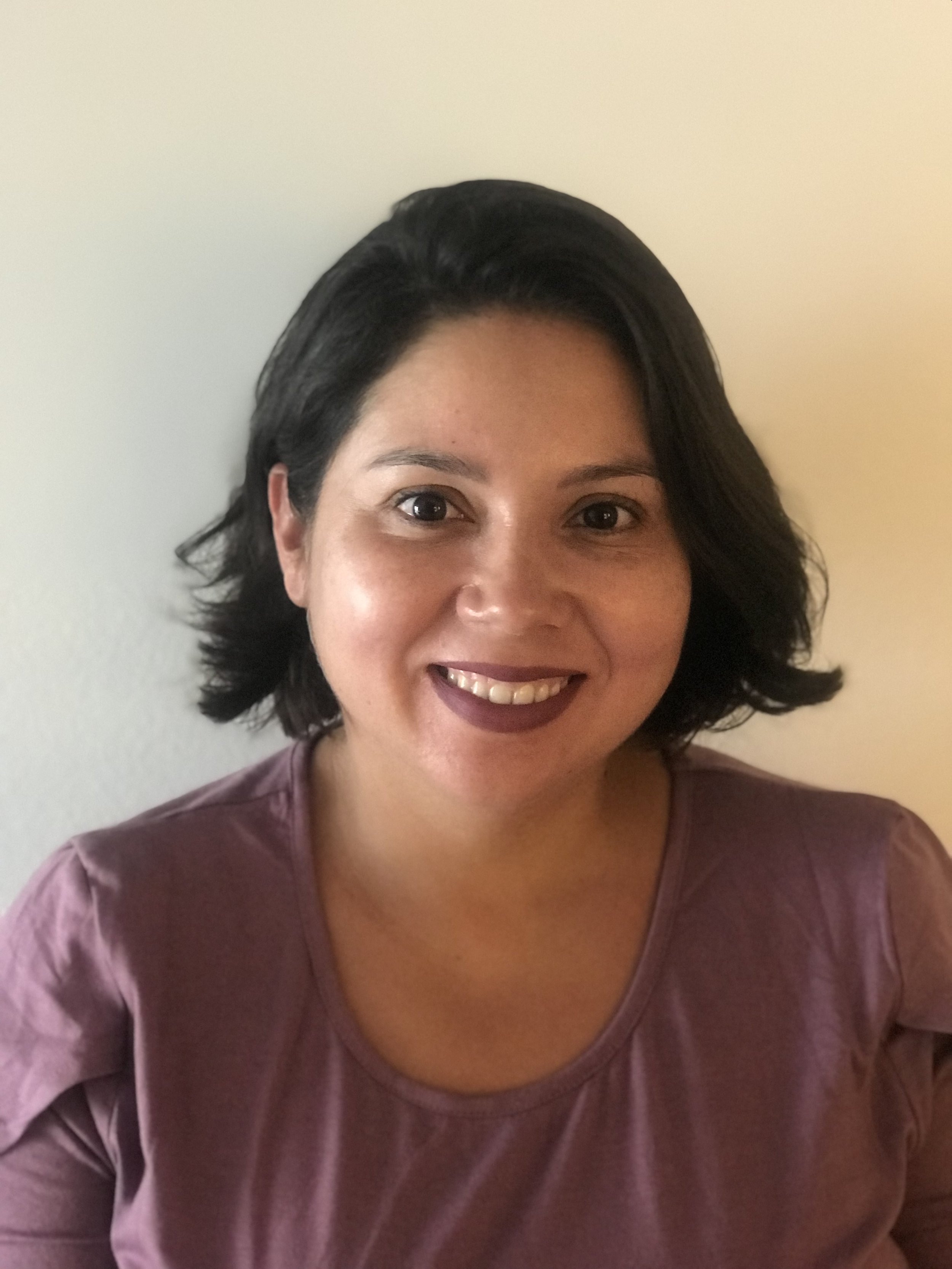
Isabel Verduzco
Isabel Verduzco is a second-year PhD student in the Department of History at the University of California, Irvine. She began her academic journey at community college before transferring to UCI, where she earned her B.A. in History and is currently completing her M.A. in History with a Latin American emphasis. Her research focuses on social reproduction and reproductive care labor during El Salvador’s Civil War (1980-1992), centering the experiences of ordinary women whose daily labor sustained transnational communities yet remains largely unrecognized in historical narratives. Born in El Salvador, Isabel enjoys traveling back with her two children to visit family and maintain connections to her homeland.
-
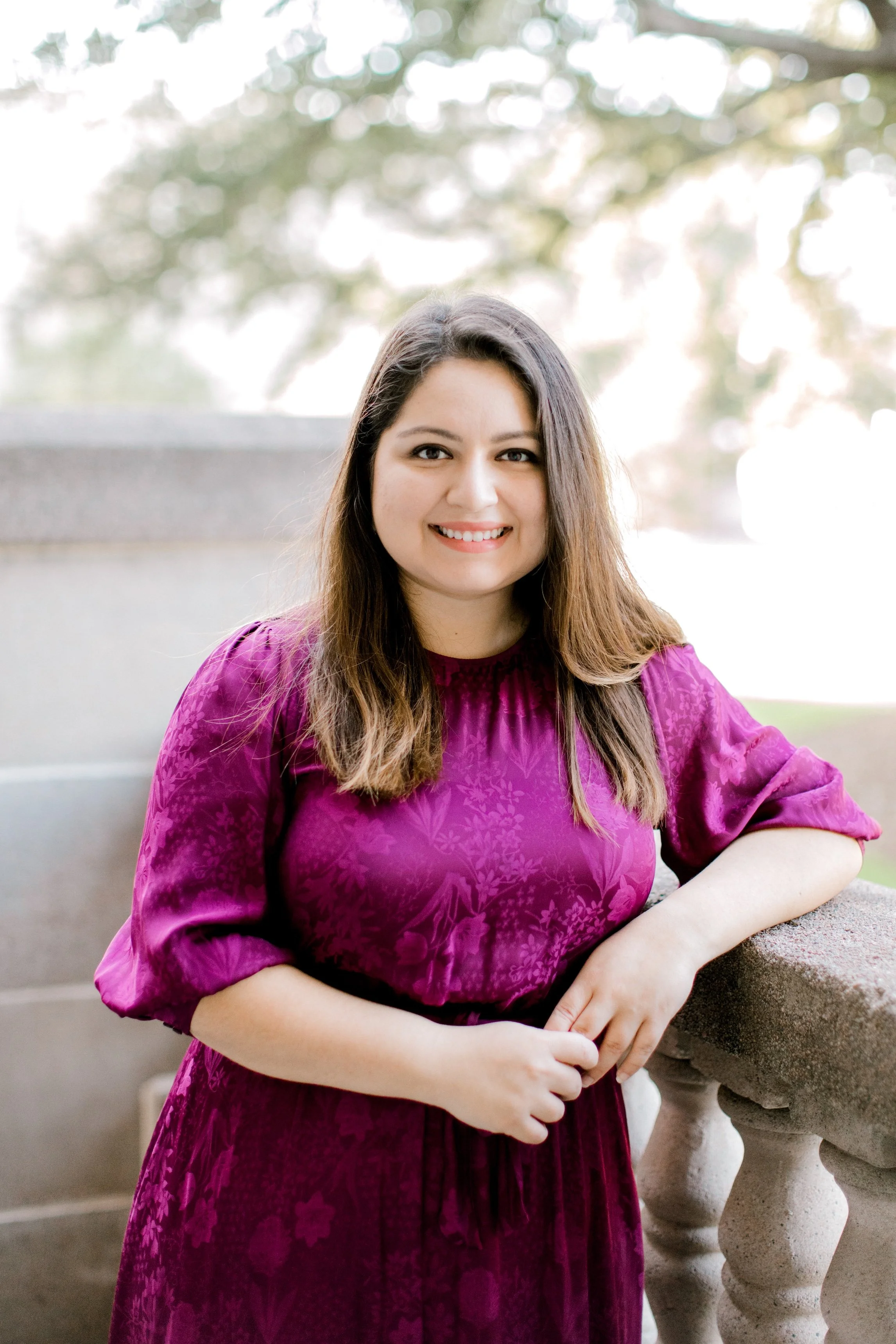
Jacqueline A. White
Jacqueline A. White is a Ph.D. student in Educational Administration, with an emphasis in Higher Education at Texas A&M University. She is a proud daughter of immigrants and a mother to two young children. Her research focuses on Latiné student experiences, Latina women in higher education, and Hispanic-Serving Institutions (HSIs). Her dissertation will examine how Latina mothers in mid-level administrative roles navigate intersecting identities, institutional policies, and personal resilience while balancing their careers, cultural expectations, and maternal responsibilities. Through this work, she seeks to illuminate systemic challenges and advocate for inclusive, culturally affirming, and family-supportive environments within higher education.